
Table of Contents
Did you miss out on that dream trip because flights were too expensive or time was too tight? What if you could walk the streets of Paris, dive into the Great Barrier Reef, or tour the pyramids without leaving home? That’s where Virtual Reality travel comes in. Read on to see how virtual reality is revolutionizing travel and how we explore the world.
1. Virtual Travel: More Than Just a Gimmick
At first, VR travel might sound like a cool-but-gimmicky concept. After all, can a headset really replace the feeling of standing in front of the Colosseum or watching the Northern Lights? While nothing beats real-world experiences, VR offers a shockingly immersive alternative—especially when travel isn’t an option.
Virtual reality allows users to explore destinations in 360° with full-depth perception, creating the sensation of being there. From ancient ruins to bustling cityscapes, today’s VR technology is so advanced that it tricks your brain into believing you’re physically present.
With platforms like Google Earth VR and The VR Museum of Fine Art, you can explore world-famous landmarks without ever boarding a plane. For those unable to travel due to financial, physical, or logistical reasons, VR offers an exciting and accessible way to see the world.
2. How the Travel Industry Is Adopting VR
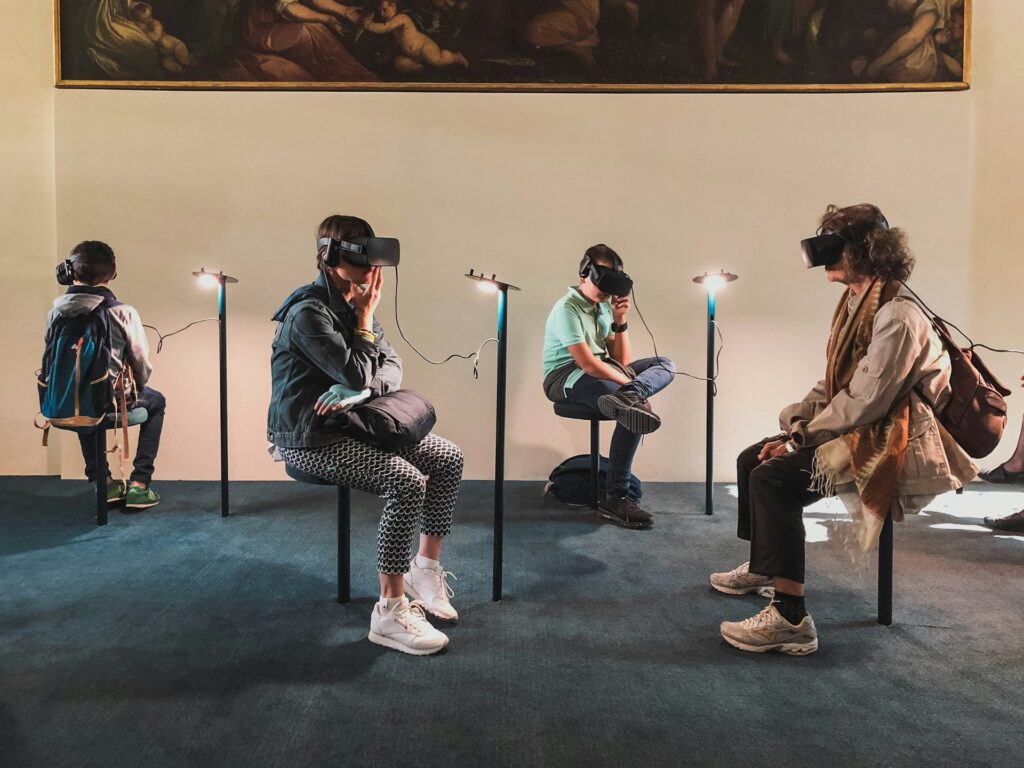
VR isn’t just a novelty—it’s becoming a game-changer for the travel industry. Airlines, hotels, and tour operators are integrating immersive virtual experiences to help customers make better booking decisions.
Instead of just reading reviews or scrolling through photos, travelers can now step inside a hotel room, explore a cruise ship, or preview a destination in 3D. Organizations like Google Arts & Culture and The British Museum are making VR experiences accessible to people with disabilities.
Many VR platforms allow users to explore famous landmarks at their own pace, without physical obstacles. This isn’t just about convenience—it’s about making travel truly inclusive for all.
From wheelchair users to elderly travelers who can no longer handle long-haul flights, VR is breaking down barriers. With just a headset, they can step inside the Sistine Chapel or roam the Amazon Rainforest—experiences they might never have had otherwise.
3. The Rise of VR Tourism: Visiting Places You Could Never Go
One of VR’s biggest breakthroughs is its ability to take you to places that are otherwise inaccessible. Want to explore the Great Pyramid of Giza without the scorching heat? Or walk on the surface of Mars? With VR, you can.
National Geographic and the British Museum have created interactive VR experiences that transport users to ancient civilizations, letting them explore ruins as they were thousands of years ago. NASA’s Mars 2030 experience allows users to “walk” on Mars using data from the Curiosity Rover.
Even the Titanic is now explorable in VR, giving users a detailed, realistic look at the wreckage deep under the ocean. For history buffs, adventure seekers, and those with physical limitations, VR travel opens doors to places that were once off-limits. It’s a level of accessibility that traditional travel could never offer.
4. VR for Travel Planning: Try Before You Fly
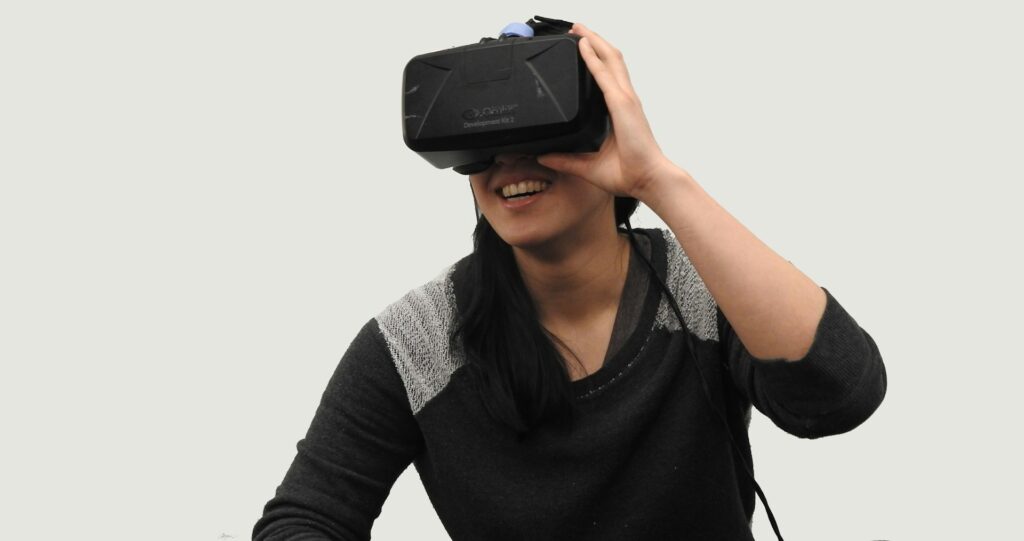
Ever booked a hotel only to arrive and realize the photos were… optimistic? VR is helping travelers avoid disappointment by offering fully immersive previews of accommodations, tours, and destinations before they commit.
Platforms like Google Earth VR allow users to “walk” through cities and streets, offering a realistic sense of a place before booking. Expedia and Airbnb have started experimenting with VR property tours, helping travelers see exactly what they’re getting.
Even national parks use VR to showcase their trails and landscapes, helping visitors plan hikes. For anxious travelers, VR is a blessing. Whether it’s testing out an airline cabin, getting familiar with a foreign city’s layout, or checking out a tour experience beforehand, VR eliminates the fear of the unknown.
5. How to Experience VR Travel for Yourself
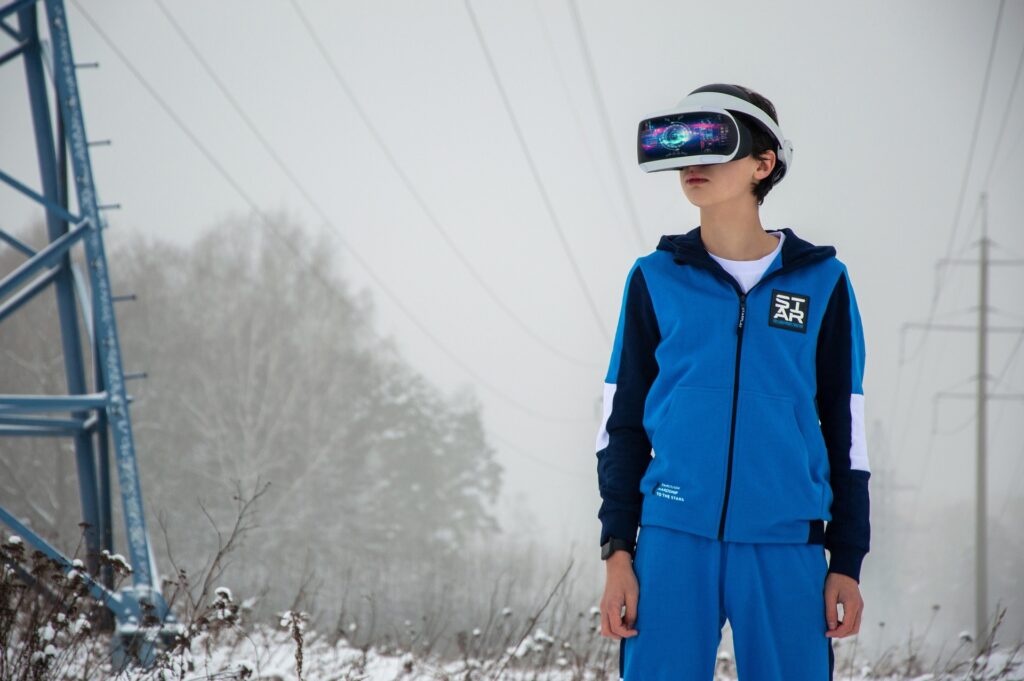
You don’t need an expensive setup to start exploring the world through VR. Many experiences are available on basic headsets, smartphones, and even web browsers. For a budget-friendly option, start with YouTube VR, which offers thousands of free 360° travel videos that can be watched with a simple Google Cardboard headset.
If you own an Oculus Quest or PlayStation VR, apps like Wander (a VR version of Google Earth) and National Geographic Explore VR let you visit locations in stunning detail.
Some of the best VR travel apps include:
- Google Earth VR (explore cities and landscapes worldwide)
- Wander (walk through real-world locations with street view)
- The VR Museum of Fine Art (visit museums without the crowds)
- Ascape VR (virtual tours of world-famous landmarks)
- National Geographic Explore VR (dive into historical and nature-based adventures)
Whether you’re using a high-end headset or just a phone, there’s a VR travel experience for every budget and tech level.
6. The Future of VR Travel: What’s Next?

We’re only scratching the surface of what VR travel can do. As technology advances, expect even more realistic experiences, including AI-powered virtual guides, real-time weather integration, and fully interactive environments.
Imagine virtually attending a festival in Rio as it happens or walking through a live safari in Africa with real-time footage streamed in 360°. Some companies are already developing “haptic feedback” devices, which let users feel their surroundings, from the texture of cobblestone streets to the rush of wind at the top of a skyscraper.
While VR will never replace the real-world thrill of travel, it’s becoming an increasingly powerful tool for experiencing the world in new ways. The future of travel is digital—and it’s arriving faster than we think.
8. Virtual Group Travel: Experience Destinations Together
Traveling solo isn’t for everyone; sometimes, the best part of a trip is sharing it with others. VR is changing how we experience destinations by allowing multiple users to explore the same virtual world together. Imagine “meeting up” with your best friend in a VR version of Paris, even if one of you is in New York and the other in Tokyo.
Platforms like VRChat and AltspaceVR let people explore virtual environments, interact with others, and even attend live events together. Some travel companies are experimenting with VR group tours, where participants can join guided explorations of historical sites or national parks. It’s travel without borders—literally.
VR Travel: A New Way to Explore
Virtual reality isn’t just a tech trend—it’s transforming how we experience, plan, and dream about travel. So, what’s stopping you? Grab a headset (or even just your phone) and start exploring—because the future of travel is already here.

Related posts:
 Travel the World from Your Couch: The Best Virtual Experiences for Armchair Explorers
 Fuel Your Wanderlust: 10 Travel Podcasts That Will Inspire Your Next Adventure
 Ethical Animal Encounters: 8 Ways to See Wildlife Without the Guilt
 Solo Female Travelers Reveal: The Safest (And Most Empowering) Destinations for Women