
Table of Contents
Love animals? Same. But not all wildlife experiences are as harmless as they seem. That “once-in-a-lifetime” elephant ride or dolphin show? It often comes at a huge cost to the animals. The good news? You don’t have to give up incredible animal encounters—you just need to choose them wisely.
1. Observe Wildlife in National Parks and Protected Reserves
The best way to see animals is where they belong—in the wild. National parks and wildlife reserves provide natural habitats where animals can roam freely without human interference. These spaces are carefully managed to balance conservation and responsible tourism.
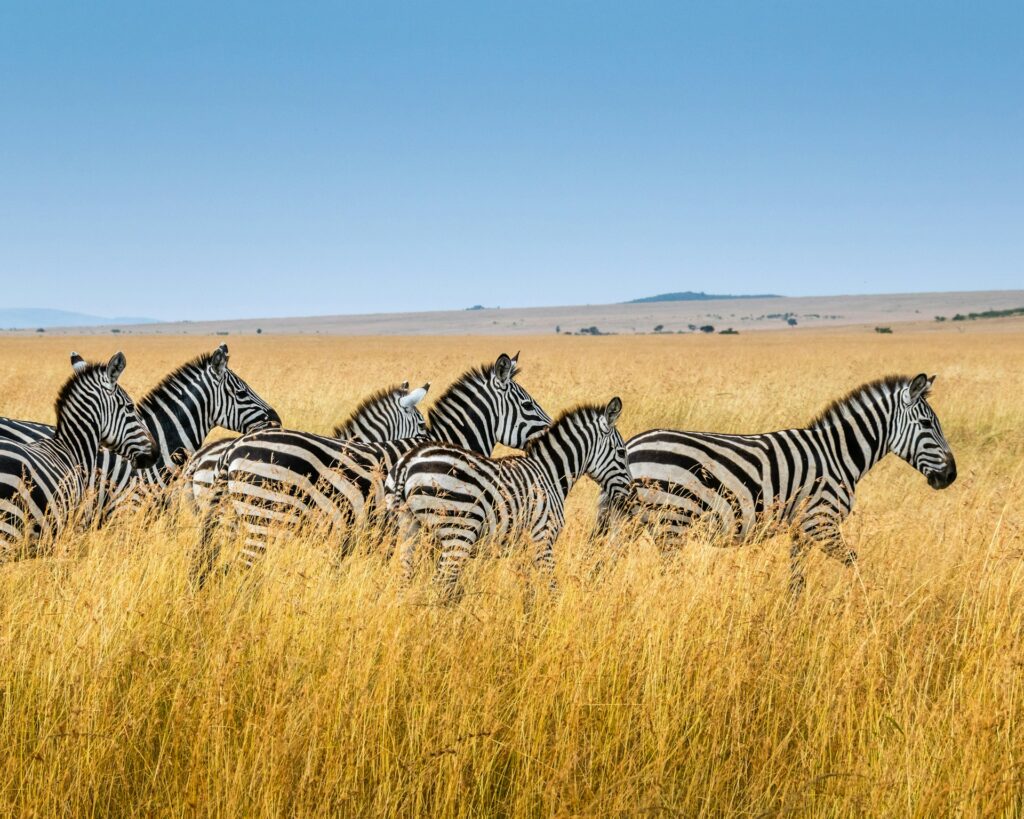
Safaris in places like Kenya’s Maasai Mara or Yellowstone National Park allow visitors to see incredible wildlife without disrupting their ecosystems. Rangers and conservationists ensure ethical practices, keeping a safe distance while educating tourists about local species.
Supporting these parks helps fund conservation efforts, making them the gold standard for ethical wildlife viewing. Patience is key—wild animals aren’t performers on a schedule. But when you do spot a lion in the savannah or a bear in the forest, it’s a moment that feels truly special.
2. Take a Responsible Whale-Watching Tour
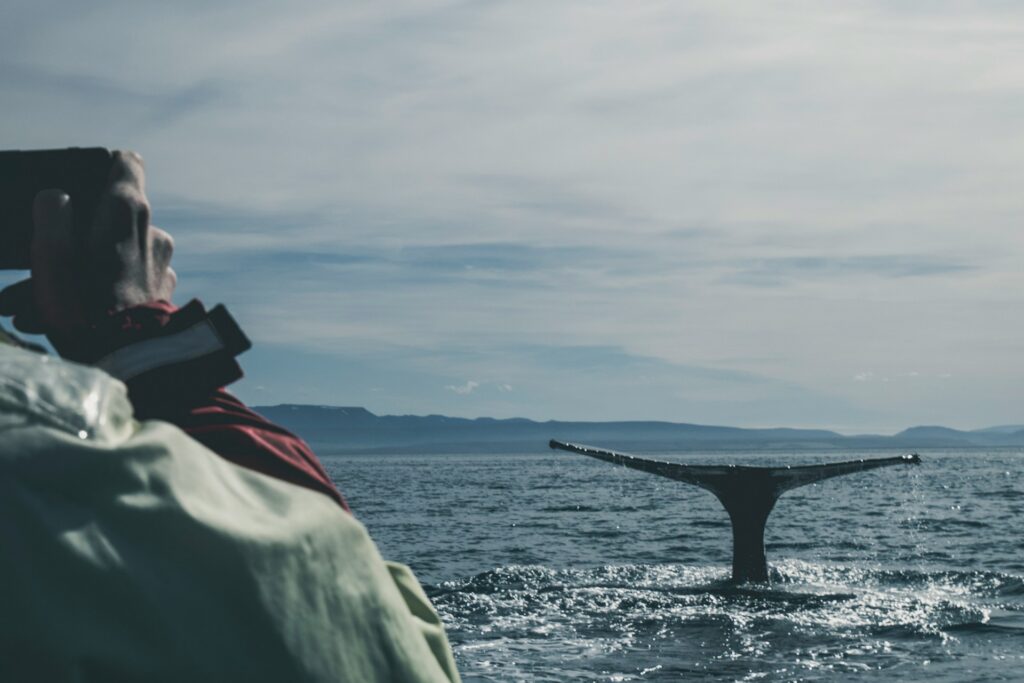
Seeing whales in the wild is breathtaking, but not all tours respect marine life. Some operators get too close, stay too long, or disrupt natural behavior to improve the tourist experience. Choosing an eco-certified whale-watching tour ensures that you observe these majestic creatures without harm.
The best tours follow strict guidelines, maintaining a safe distance and allowing whales to move freely. Top destinations like British Columbia, Norway, and Baja California offer spectacular sightings while prioritizing conservation.
An ethical tour lets you witness these gentle giants breaching and diving without disturbing their natural behavior. A responsible operator will also educate passengers on how to protect our oceans.
3. Visit Ethical Animal Sanctuaries
Not all sanctuaries are ethical—some disguise themselves as conservation centers while exploiting animals behind the scenes. A true sanctuary focuses on rescuing and rehabilitating animals that cannot return to the wild. They do not allow petting, riding, or unnecessary human interaction.
Look for sanctuaries accredited by organizations like the Global Federation of Animal Sanctuaries. Examples include the Elephant Nature Park in Thailand and The Wild Animal Sanctuary in Colorado. These places provide rescued animals with safe, natural environments where they can live with dignity.
A real sanctuary visit isn’t about selfies but supporting organizations that give animals a second chance. Ethical sanctuaries prioritize education and conservation over entertainment.
4. Support Responsible Diving and Snorkeling Tours
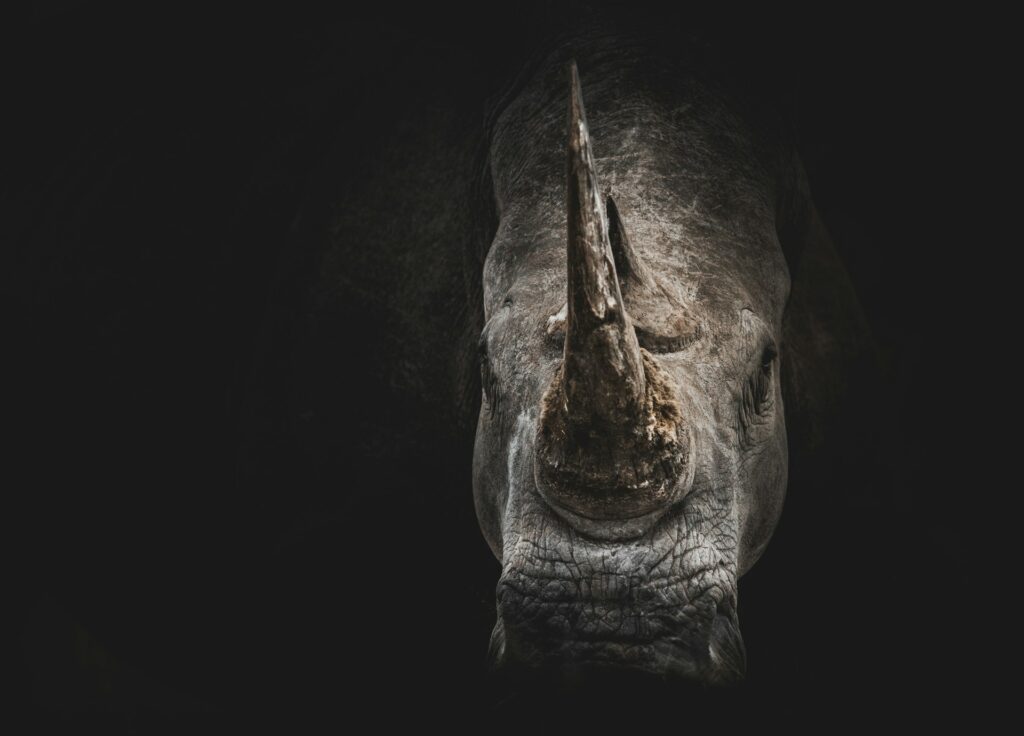
The ocean is home to some of the most incredible wildlife on the planet, but irresponsible tourism can damage fragile marine ecosystems. Touching coral, feeding fish, or disturbing sea creatures can cause serious harm. Ethical dive centers teach respectful interactions that allow marine life to thrive.
Operators certified by organizations like PADI’s Green Star or the Reef-World Foundation ensure that guidelines are followed. Destinations like the Great Barrier Reef, the Maldives, and the Galápagos Islands offer world-class snorkeling and diving with conservation at the forefront.
Floating quietly beside a sea turtle or watching a school of fish move in perfect harmony is an experience that’s even more beautiful when done responsibly. The ocean deserves our respect—after all, it’s their home, not ours.
5. Observe the Northern Lights Instead of Visiting Captive Arctic Animals
Many travelers dream of seeing Arctic wildlife, but some attractions exploit polar bears, reindeer, or foxes in captivity. Instead of visiting a zoo or enclosure, experience the wild north by witnessing nature’s most stunning light show—the aurora borealis.
Destinations like Norway, Canada, and Finland offer breathtaking northern lights views while respecting wildlife habitats. In places like Tromsø or Churchill, you may even see wild reindeer or Arctic foxes roaming freely.
This experience proves that you don’t need to confine animals to enjoy the beauty of the Arctic. The natural world is its spectacle, and the northern lights are one of its greatest shows.
6. Volunteer for Conservation Projects
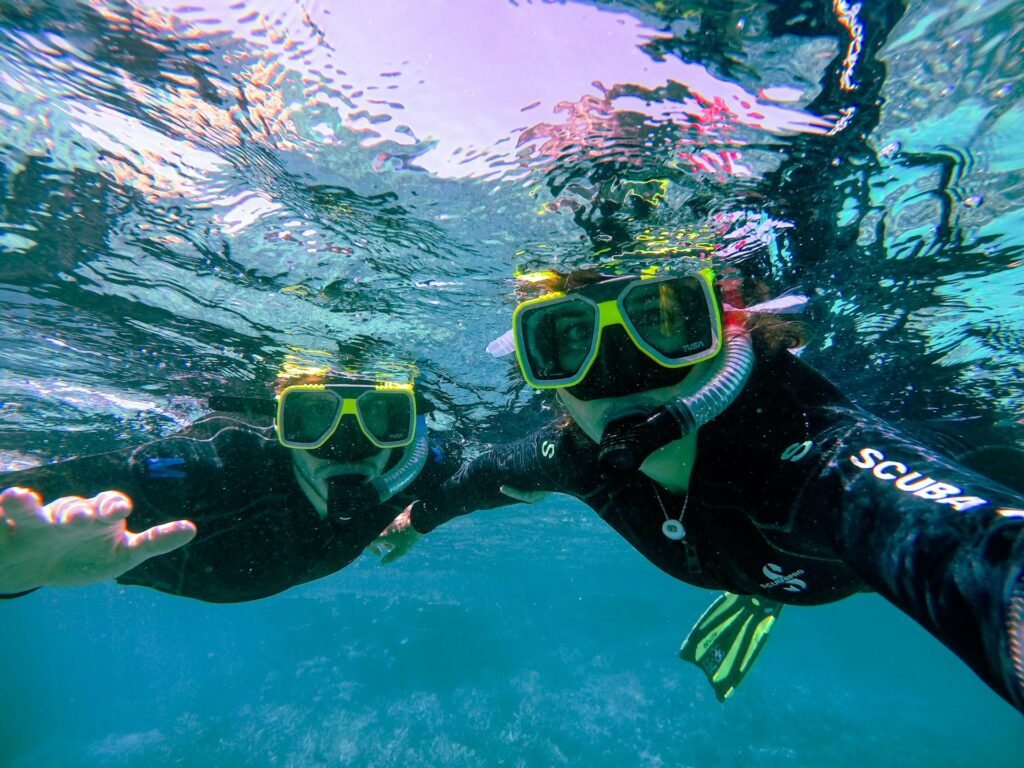
If you want a deeper connection with wildlife, consider volunteering for a conservation project. Many programs allow travelers to assist in protecting animals while ensuring they remain in their natural environments. These efforts range from sea turtle conservation in Costa Rica to monitoring snow leopards in Mongolia.
Reputable programs prioritize animal welfare and require volunteers to respect strict ethical guidelines. Organizations like the World Wildlife Fund and Earthwatch Institute provide vetted opportunities directly contributing to conservation.
Volunteering allows you to witness wildlife while making a real impact. It’s an unforgettable way to give back and see the world through a conservationist’s eyes.
7. Go on a Birdwatching Adventure
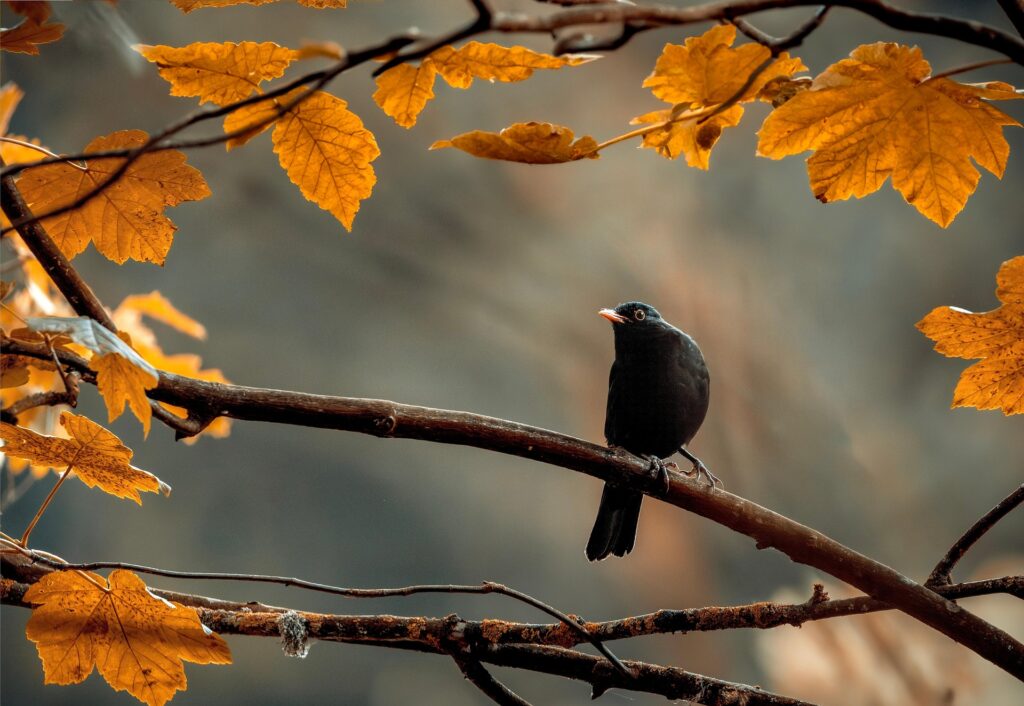
Birdwatching is one of the most ethical ways to enjoy wildlife. Unlike zoos or staged encounters, this activity allows you to observe birds in their natural environment without disturbing them. You can spot rare and beautiful species in the wild with patience and a good pair of binoculars.
Destinations like Costa Rica, the Pantanal in Brazil, and South Africa’s Kruger National Park offer world-class birdwatching experiences. Some lodges and guides specialize in ethical tours that educate visitors about local ecosystems.
The best part? Birdwatching leaves no trace. It’s a quiet, respectful way to experience wildlife while preserving their habitats.
8. Avoid Petting Zoos and Opt for Wildlife Trekking Instead
Petting zoos and animal interaction parks often put stress on animals, even if they seem friendly and tame. Many creatures used in these attractions are taken from the wild or bred in captivity under poor conditions. Instead of paying for these experiences, opt for guided wildlife treks that let you observe animals in their natural surroundings.
Ethical trekking destinations include seeing gorillas in Rwanda, tracking sloths in Costa Rica, or spotting orangutans in Borneo. These experiences are regulated to minimize human impact while supporting conservation efforts.
There’s nothing more thrilling than seeing an animal in the wild where it belongs. Trekking experiences provide a respectful, immersive way to connect with nature.
See the World, Protect the Wild
Wildlife encounters should be about admiration, not exploitation. Choosing ethical experiences ensures that animals are treated with respect while giving travelers a more meaningful connection with nature. Seeing animals in the wild is far more rewarding than any photo op with a captive creature.

Related posts:
 Travel the World from Your Couch: The Best Virtual Experiences for Armchair Explorers
 7 Eco-Friendly Destinations That Will Make You Feel Good About Traveling
 Introvert’s Paradise: 8 Destinations Where You Can Avoid People (Almost) Entirely
 Roads Less Traveled: 5 Epic Overland Journeys for the True Adventurer