
Table of Contents
Ever been told you have your great-grandmother’s nose but have no proof? Time to fact-check those family stories. Ancestry travel helps you step into your family’s past, uncover unexpected connections, and maybe even figure out why your relatives have such strong opinions about soup. Ready to make history personal? Keep reading.
1. Start With the Family Tea (a.k.a. Research)
Before you book a ticket to the motherland, gather as much info as possible. Call up your relatives (yes, even the chatty ones), dig through old documents, and check out ancestry websites.
Birth records, immigration documents, and even old letters can hold clues. If you’ve got a DNA test in your inbox, now’s the time to check it (because, let’s be real, we all forgot about it after the initial excitement).
Get specific with locations. If your last name sounds German, don’t just assume all of Germany is your stomping ground. Find out which town, village, or region your ancestors came from. This will help you plan an itinerary rooted in real family history rather than a vague European vacation.
Also, don’t sleep on social media. Facebook groups dedicated to genealogy, local history pages, and even Reddit threads can be goldmines for insider tips. Someone’s distant cousin might already have half your family tree mapped out.
2. Pick Your Destination(s) – With a Plan

Just because your DNA says you’re 15% Irish doesn’t mean you should randomly show up in Dublin expecting a welcome party. Zero in on specific towns or villages your ancestors lived in.
If you’re unsure, start with places where people of your heritage historically settled. And pro tip: off-peak travel (hello, cheaper flights and smaller crowds) gives you a much more relaxed experience.
Look for places with archives, local museums, or even ancestry research centers. Many regions have offices where you can access old records and connect with historians who can help piece together your family’s past. Some places even have genealogy festivals (yes, really) where people come together to swap stories and dig into their roots.
And don’t just plan for the big cities—sometimes the real magic happens in tiny villages where people still recognize your last name. Small-town archives, churches, and cemeteries can reveal more than expected.
3. Find Local Guides Who Get It
You can Google all you want, but nothing beats a local who knows the real deal. Many heritage destinations offer ancestry-focused tours where guides help you navigate archives, visit ancestral villages, and even track down long-lost relatives (who hopefully don’t expect you to babysit their kids).
Websites like MyHeritage and AncestryProGenealogists can connect you with experts who do the detective work for you. A guide specializing in heritage travel can translate old records, introduce you to key people in the town, and even help you get into buildings that aren’t open to the general public.
It’s basically having a history professor, tour guide, and private investigator rolled into one. Some companies even offer customized tours where they take your family history and plan an entire itinerary. This is perfect if you’re short on time but still want a meaningful experience.
4. Walk in Their Footsteps – Literally

Nothing hits you in the feels like standing in front of the house your great-great-grandfather built or walking the same cobblestone streets your ancestors did. Visit old churches, cemeteries, and town halls where records might be kept.
And don’t be shy—knock on doors, talk to locals, and ask questions. You’d be surprised how many communities love welcoming back long-lost “family.”
Take advantage of local libraries and historical societies. Many towns have archives filled with records, photographs, and even first-hand accounts that could connect you to your past in ways you never imagined. Some archives even have volunteers who specialize in helping people trace their lineage.
And while you’re at it, don’t just focus on history—immerse yourself in the culture. Try traditional activities, learn a few words of the language, and participate in local traditions. It’s one thing to read about your heritage, but it’s another to live it, even if just for a few days.
5. Stay in Places That Make You Feel Like a Local
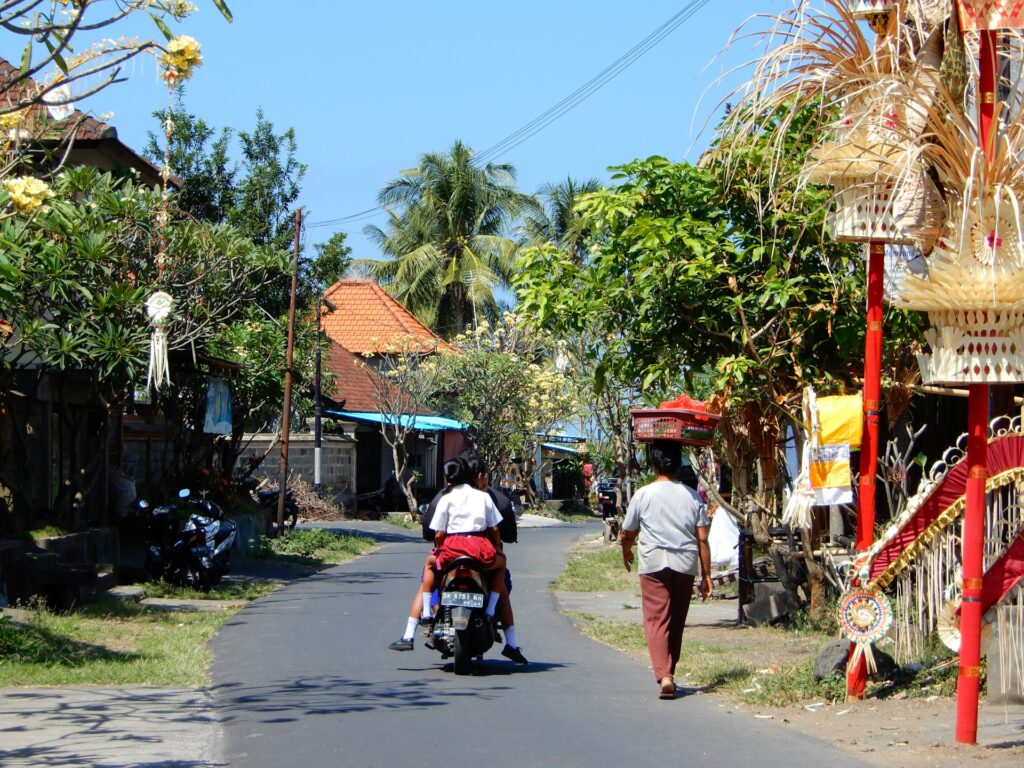
Forget generic hotels. Book a homestay, guesthouse, or a locally owned B&B to get a real feel for the place. Some even offer ancestry-themed stays where you can learn traditional crafts, cook local dishes, or just swap stories with people who might be distant relatives.
If you’re lucky, you might get a family recipe passed down (or at least a strong drink and a good story). Check for heritage farms or historical inns if you’re visiting a rural town. Some of these properties have been in families for generations and offer a true glimpse into how people lived in the past.
Staying somewhere that aligns with your ancestry makes the experience even more meaningful. Also, ask your host about local events or community gatherings. A casual neighborhood dinner or festival could lead to unexpected connections and stories you’d never find in a guidebook.
6. Leave Room for Unexpected Magic
The best part about ancestry travel? The surprises. Maybe a distant cousin invites you for dinner, or a local historian finds an old document with your great-grandmother’s name on it.
Give yourself free days in your itinerary to follow unexpected leads, chat with locals, or just sit in a café imagining your ancestors doing the same (but probably with fewer Instagram stories).
Don’t stress if you don’t find everything you are looking for. Sometimes, the best discoveries aren’t in the archives but in the little moments—hearing an old family story from a stranger, seeing a landscape that feels oddly familiar, or finding a distant relative who looks just like you.
7. Bring Something Back (That’s Not a Fridge Magnet)

Skip the kitschy souvenirs and bring home something meaningful. A small rock from an ancestral home, a handwritten note from a local historian, or even a new family connection is worth way more than a tourist shop trinket.
And if you really want to honor your roots, consider starting a family tradition based on something you learned during your trip. Turn your experience into something your family can share.
Create a scrapbook, put together a short video, or even host a themed family dinner where you share your discoveries. It’s a great way to bring your journey full circle and keep the connection alive for future generations.
Your Story, Their Legacy, One Unforgettable Journey
Ancestry travel isn’t just about the past—it’s about making history personal. So, book the trip, embrace the unexpected, and prepare for the kind of adventure that makes family history way more exciting than a dusty old photo album.

Related posts:
 Trace Your Roots: How to Plan an Unforgettable Heritage Travel Experience
 Fuel Your Wanderlust: 10 Travel Podcasts That Will Inspire Your Next Adventure
 Travel the World from Your Couch: The Best Virtual Experiences for Armchair Explorers
 10 Breathtaking Places You’ve Never Heard Of (But Need to Visit ASAP!)