
Table of Contents
Let me start by saying something controversial: solo travel isn’t as scary as your mom thinks it is. I’m sharing my tried-and-true safety tips for traveling alone that have kept me secure through everything from midnight arrivals in Bangkok to early morning hikes in the Andes, and trust me, these aren’t your typical “don’t talk to strangers” tips.
After visiting 47 countries alone (and yes, calling my parents from each one to assure them I’m still alive), I’ve learned that staying safe while traveling solo is less about luck and more about smart preparation. The beauty of solo travel lies in its freedom, but that doesn’t mean you should wing it when it comes to safety.
1. The Fake Wedding Ring Trick (And Why It Actually Works)
A simple band on your left hand isn’t just about deterring unwanted attention – it’s about projecting confidence and having a ready-made excuse in uncomfortable situations.
I’ve used this $5 investment countless times to politely decline persistent conversations, usually with a quick “Oh, my husband is waiting for me at the hotel,” which works particularly well in more conservative countries.
The key is to match your ring to the local style (think simple gold band in Europe, nothing flashy in developing countries) and practice your “married person” responses before you need them.
2. The Strategic Arrival Plan
Never, and I mean never, arrive in a new city without knowing exactly how you’re getting to your accommodation, even if your flight lands at 3 AM.
I always screenshot my route from the airport to my hotel (including alternative routes), save the map offline, and book official airport transportation in advance when available.
The peace of mind that comes from having a solid arrival plan is worth every minute of preparation, and I’ve learned this lesson the hard way after one too many late-night arrivals turned into expensive adventures.
3. The Power of Digital Breadcrumbs
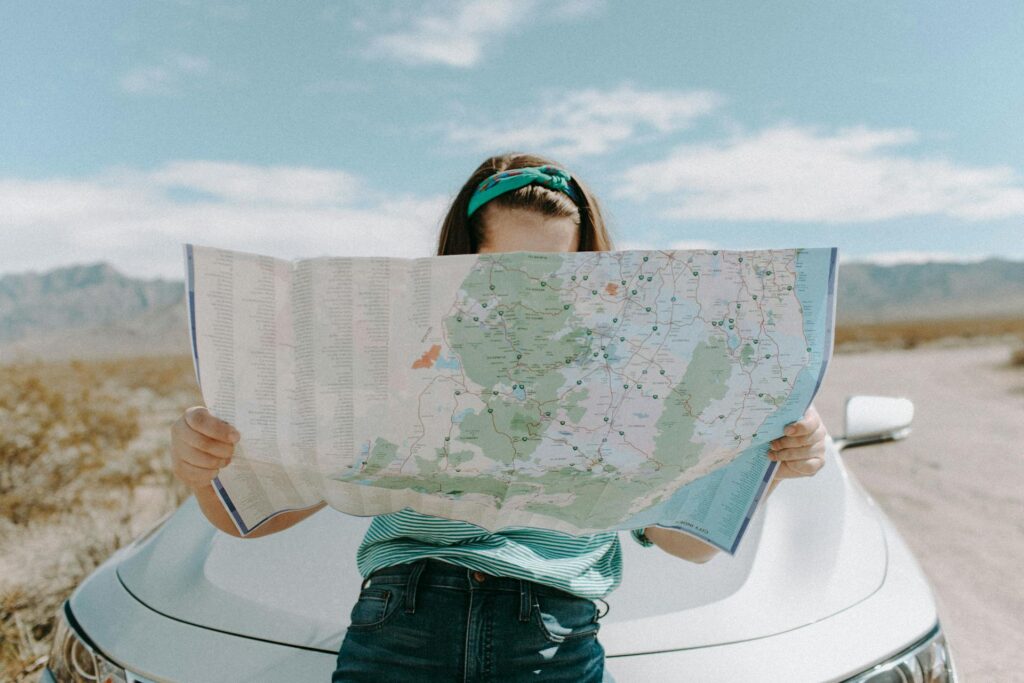
Sharing your location isn’t being paranoid – it’s being smart in today’s connected world. I use a combination of Google Maps location sharing with trusted friends and apps like Find My Friends with family members, ensuring someone always knows where I am without having to constantly check in.
The trick is to set up these digital safety nets before you leave and test them with your trusted contacts, making sure they know what to do if they can’t reach you. Remember to also download offline maps and save screenshots of your daily routes – technology can fail when you need it most.
4. The Local SIM Card Strategy
Getting a local SIM card isn’t just about posting Instagram stories – it’s about having reliable access to maps, translation apps, and emergency services. I make getting a local SIM one of my first priorities upon arrival, even if it means spending an extra hour at the airport.
Having local data means you can always call an Uber, translate a sign, or contact emergency services without relying on sketchy public WiFi. Pro tip: research SIM card options before arrival and know which providers have the best coverage in your destination.

5. The Room Selection Secret
Your hotel room choice matters more than you might think, and I’m not just talking about the view.
Request a room between the 3rd and 6th floors (high enough to deter break-ins but low enough for fire ladder access), and always check for rooms near stairwells with multiple evacuation routes.
Take time to familiarize yourself with emergency exits and actually walk to them instead of just noting them on the map behind your door.
6. The Money Management Method
Never keep all your cash and cards in one place – this isn’t just old-school advice, it’s a strategy that’s saved me more than once. I divide my funds between a primary wallet, a hidden backup card, and an emergency stash tucked into a separate bag.
My system includes keeping enough cash for a day’s expenses in an easily accessible spot, hiding an emergency credit card in my shoe or bra (yes, really), and storing the bulk of my cash and cards in a hotel safe or hidden money belt.
Remember to always have enough local currency for a taxi back to your accommodation, even if you plan to use cards for everything else.

7. The Confident Body Language Hack
Looking confident is just as important as feeling confident when you’re traveling alone, and it’s a skill you can practice before you even leave home.
I walk with purpose, keep my head up, and act like I know exactly where I’m going, even when I’m completely lost – because nothing screams “tourist” like standing on a street corner staring at your phone.
If you need to check directions, duck into a shop or cafe rather than doing it on the street, and practice looking up your route ahead of time so you can walk with that confidence.
8. The Local Dress Code Research
Understanding and respecting local dress codes isn’t just about cultural sensitivity – it’s a crucial safety measure that helps you blend in and avoid unwanted attention.
I always research local clothing customs before packing and err on the conservative side, even in seemingly liberal destinations.
Pack versatile pieces that can be layered or adjusted based on the situation, and remember that looking like an obvious tourist can make you a target.
This doesn’t mean you need to completely abandon your style – it’s about making smart choices that help you move through your destination safely and respectfully.
9. The Restaurant Safety Strategy
Dining alone doesn’t have to mean feeling vulnerable, and I’ve developed a system that keeps me safe while still enjoying local cuisine. I choose restaurants that are well-lit and busy, preferably with outdoor seating or clear views of the street, and always sit with my back to a wall facing the entrance.
When dining in the evening, I make reservations when possible and ask my accommodation for recommended routes to and from the restaurant.
I also keep a portable door alarm in my bag – it sounds paranoid, but it’s come in handy more times than I’d like to count, especially when using restaurant bathrooms in remote locations.
10. The Transportation Tracker Technique
Every time I get into a taxi, bus, or ride-share, I create a digital record of my journey. I take a photo of the license plate or bus number (making it obvious that I’m doing so), share my ride status with a trusted contact, and keep my maps app open to ensure we’re heading in the right direction.
11. The Social Media Safety Rules
While sharing your amazing solo adventures is fun, real-time posting can compromise your safety faster than you can say “Instagram story.”
I never post about my location until after I’ve left it, use delayed posting features for social media updates, and am careful about sharing hotel or accommodation details.
Remember that your social media footprint can be tracked by anyone, so save those location tags and check-ins for when you’re safely home. If you want to document your journey in real-time, consider creating a private Instagram story or WhatsApp group for close friends and family only.

12. The Emergency Contact System
Create a detailed emergency contact system that goes beyond just having your mom’s number on speed dial. I maintain a digital and physical document with my emergency contacts, insurance information, embassy details, and important medical information, sharing copies with trusted contacts and keeping one hidden in my luggage.
Update your emergency contacts with your daily itinerary and establish check-in protocols – I use a simple system where I send a quick emoji to my designated contact person each morning and evening.
13. The Hotel Lobby Test
Your accommodation’s security starts in the lobby, and I’ve walked away from perfectly nice-looking hotels because they failed my lobby test. Watch how the front desk handles visitor inquiries and room key distribution – if they’re freely giving out room numbers or not checking guest IDs, that’s a red flag.
A good hotel will never announce your room number out loud, will call your room to verify visitors, and will have visible security measures in place.
Don’t be afraid to request a room change if something feels off, and always trust your instincts about a property’s security standards.
14. The Day Bag Defense
Your day bag is your lifeline when exploring, and organizing it properly can mean the difference between a smooth journey and a stressful situation.
I organize my day bag with essential items (phone, card, small cash amount) easily accessible, while keeping valuables hidden in internal pockets or a separate money belt.
Always carry a battery pack and charging cable (getting lost with a dead phone is not an adventure you want), a basic first aid kit, and photocopies of important documents.
15. The Local Language Lifesaver
Learning a few key phrases in the local language isn’t just polite – it’s a crucial safety tool that can help you handle emergencies or uncomfortable situations. Beyond “hello” and “thank you,” learn how to ask for help, tell someone to stop, and explain that you’re calling the police.
Practice these phrases until they become automatic, and keep a notes app on your phone with essential translated phrases that you can show to locals if needed. Remember, speaking even a little of the local language can help you appear more confident and less like an easy target.

Before You Take the Step
The truth about solo travel safety is that it’s not about being paranoid – it’s about being prepared.
So pack your bags (and your doorstop alarm), and get ready to explore the world on your own terms. After all, the best stories come from solo adventures – just make sure they’re the kind of stories you want to tell.

Related posts:
 Stay Safe Abroad: 12 Life-Saving Travel Tips You Need to Know Yesterday
 Solo Female Travelers Reveal: The Safest (And Most Empowering) Destinations for Women
 Why Traveling Solo Might Be the Best Decision You’ll Ever Make
 Introvert’s Paradise: 8 Destinations Where You Can Avoid People (Almost) Entirely