
Table of Contents
Picture this: You’re strolling through sun-drenched streets, the aroma of exotic spices in the air. Suddenly, your dream vacation turns into a nightmare. Travel scams can hit when you least expect them, but fear not! We’re about to dive into the seven most common tricks that could derail your adventures.
1. Taxi Troubles: Meters, Routes, and Rip-offs
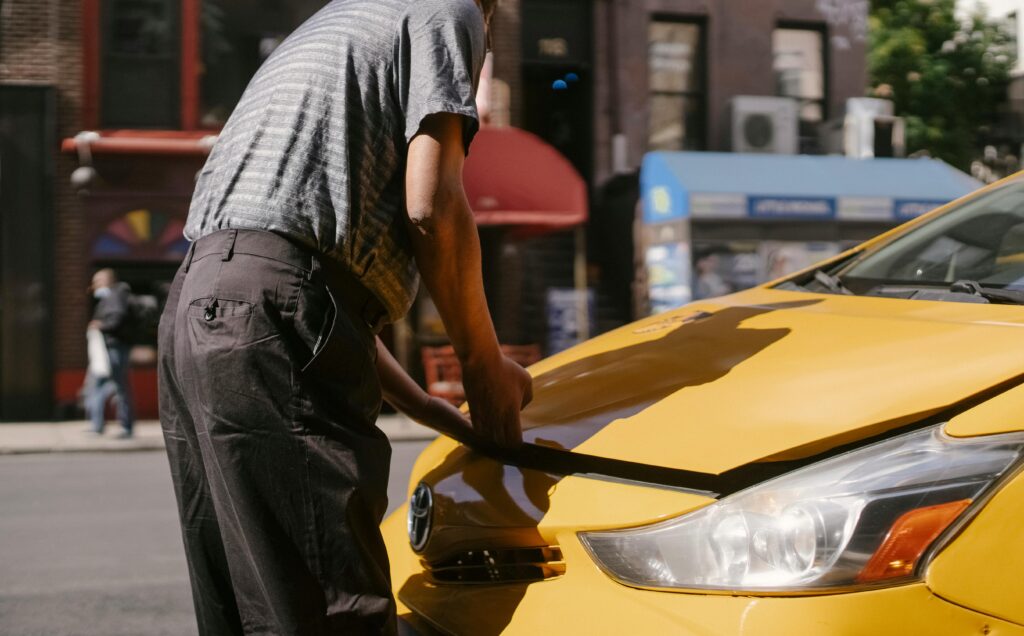
You’ve just landed, jet-lagged and excited. The last thing you need is a taxi driver taking you for a ride – literally.
The “Broken Meter” Trick
You hop in a cab, and the driver claims the meter’s broken. Convenient, right? Wrong. This old trick often leads to inflated fares that leave your wallet feeling lighter than your luggage. Always insist on using the meter or agree on a price beforehand. If the driver refuses, find another taxi. It’s better to wait a few extra minutes than pay double (or triple) the fare.
Scenic Route Scam

“Oh, you want to go to your hotel? Let me show you the city first!” Sounds nice, until you realize you’re being driven in circles to rack up the fare. Before getting in, have a rough idea of your route. Use your phone’s GPS to track the journey, and don’t be afraid to speak up if you notice any unnecessary detours. Remember, the shortest distance between two points is a straight line – not a tour of every landmark in the city.
2. Fake Friends and Too-Good-To-Be-True Offers
The Overly Friendly Local
You’re admiring a temple when someone approaches, all smiles and local charm. They offer to show you around, maybe take you to a “special” shop. Before you know it, you’re in a high-pressure sales situation or worse. While many locals are genuinely friendly, be wary of those who seem too eager to befriend you. Trust your gut – if it feels off, it probably is.
“Free” Gifts With Strings Attached

A friendly stranger hands you a “free” bracelet or places a flower in your hair. How sweet! Until they demand payment. These “gifts” are rarely free, and refusing to pay can lead to uncomfortable confrontations. Politely but firmly decline any unsolicited items. Remember, in the world of travel, if it seems too good to be true, it usually is.
3. Accommodation Nightmares
Bait-and-Switch Bookings
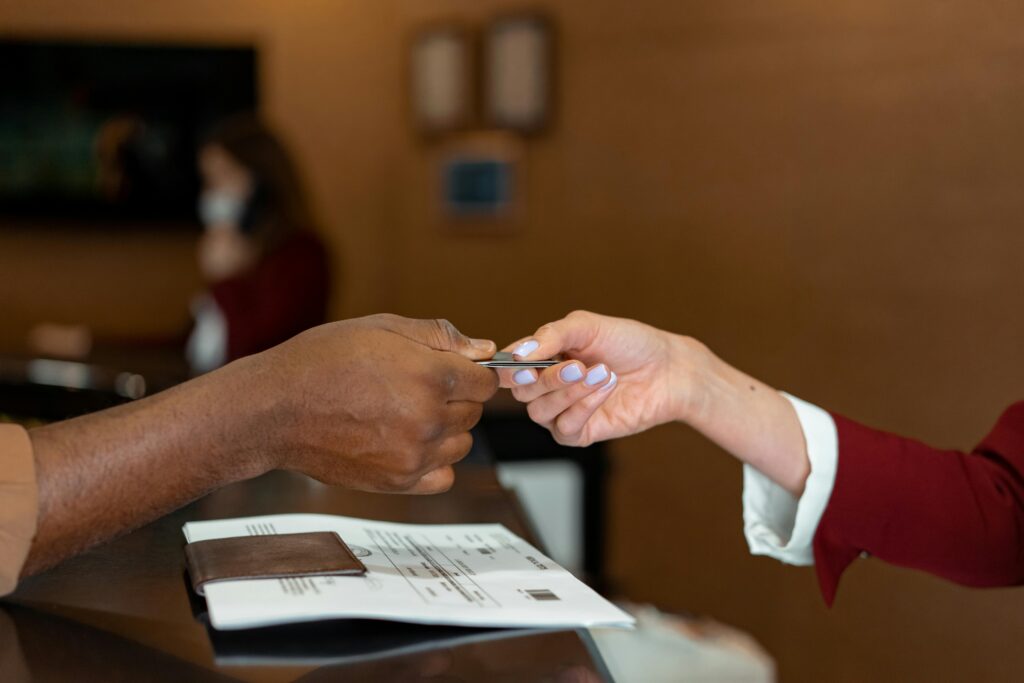
You arrive at your hotel, excited to see that ocean view you booked. Plot twist: your room overlooks a dumpster, and suddenly they’re “fully booked.” This classic bait-and-switch leaves you with two choices: settle for less or pay more for an upgrade. Always book through reputable sites, and if possible, contact the hotel directly to confirm your reservation details before arrival.
The “Closed” Hotel Redirect
Your taxi pulls up to your hotel, but oh no! It’s “closed for renovations.” The helpful driver knows another place nearby. Surprise – it’s more expensive and probably earns them a commission. This scam preys on tired travelers eager for a bed. Before your trip, double-check your hotel’s status and have their contact information handy. If something seems fishy, call the hotel directly.
4. Money Matters: Currency Cons and ATM Traps
The Short-Change Artist
You hand over a large bill for a small purchase, and suddenly you’re drowning in a sea of unfamiliar coins and notes. By the time you’ve figured out the exchange rate, you’ve been shortchanged. Always count your change carefully, and don’t be afraid to take your time. Better yet, use smaller bills for minor purchases to avoid this situation altogether.
Skimming Scams at ATMs
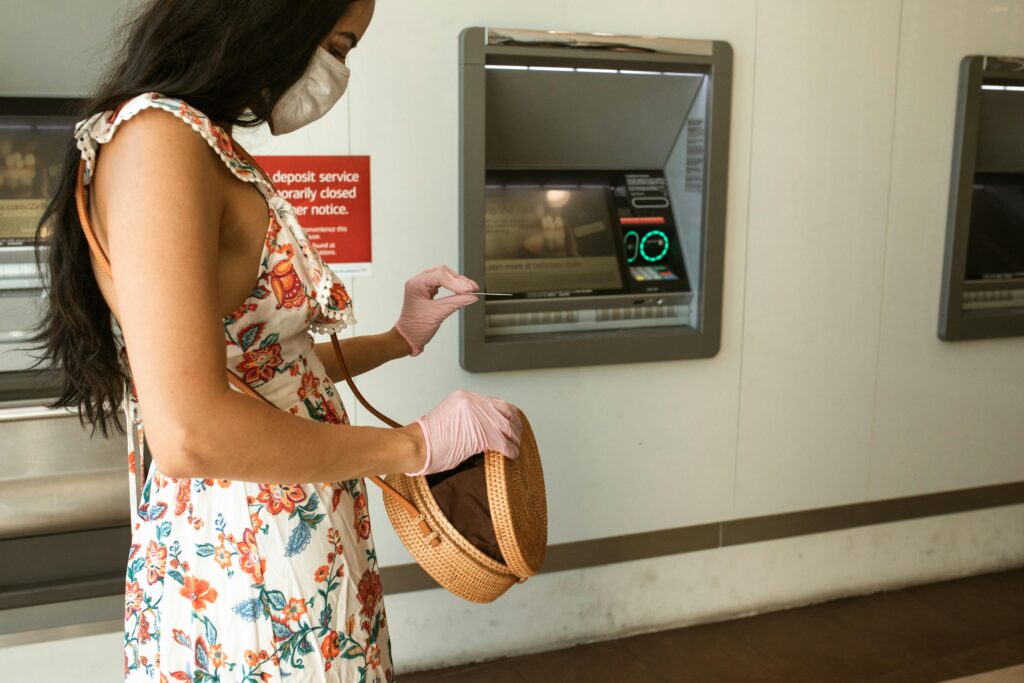
You withdraw cash from an ATM, but little do you know, your card details have just been stolen. Skimming devices on ATMs can capture your information in seconds. Stick to ATMs inside banks when possible, and always cover the keypad when entering your PIN. Give the card slot a wiggle – if anything seems loose or out of place, find another machine. Your future self (and bank account) will thank you.
5. Pickpocket Prowess: Distraction and Deception
The Bump and Grab
You’re navigating a crowded market when someone bumps into you. You check your belongings – all there. But wait – where’s your wallet? This classic distraction technique is favored by pickpockets worldwide. Stay alert in crowded areas, and consider using a money belt or keeping valuables in hard-to-reach places. And remember, if someone invades your personal space, check your belongings immediately.
The Helpful “Tourist”
A confused-looking person asks for directions, map in hand. While you’re busy being a good samaritan, their accomplice is rifling through your bag. It’s a double whammy – you feel helpful and get robbed. When stopping to help someone, step to the side of foot traffic and keep your belongings close. Kindness shouldn’t cost you your camera.
6. Food and Drink Fiascos
Menu Manipulation
You order a delicious local dish, savor every bite, then nearly choke when you see the bill. Turns out, that “market price” was astronomical. Some restaurants use confusing pricing or even swap menus to inflate your bill. Always clarify prices before ordering, especially for items listed as “seasonal” or “market price.” And don’t be shy about asking for a menu with prices if you’re handed one without.
The Inflated Bill Trick
The bill arrives, and suddenly you’re paying for drinks you never ordered and a “special” service charge. In the confusion of foreign currency and language barriers, it’s easy to fall for this one. Take a moment to review your bill carefully. If something doesn’t add up, question it politely but firmly. It’s your right to pay for what you ordered – nothing more, nothing less.
7. Tech Terrors: Wi-Fi Woes and Fake Apps
Public Wi-Fi Risks
You’re sipping a latte, scrolling through social media on the café’s free Wi-Fi. Little do you know, someone’s snooping on your online activity. Public Wi-Fi networks are a hacker’s playground. If you must use them, avoid accessing sensitive information like bank accounts. Better yet, invest in a VPN for your travels. It’s like a force field for your digital life.
Counterfeit Booking Apps
You download what looks like a legit booking app, snag a great hotel deal, and arrive to find… nothing. Fake apps can look surprisingly real, stealing your money and leaving you stranded. Stick to downloading apps directly from official app stores, and double-check the developer’s name and reviews. A little caution goes a long way in keeping your dream vacation from turning into a tech nightmare.
Travel Smart, Stay Safe

Traveling opens our eyes to the beauty of the world, but it’s important to keep them open for potential scams too. Armed with these insights, you’re ready to explore with confidence. Remember, a healthy dose of skepticism mixed with your sense of adventure is the perfect recipe for unforgettable – and safe – travels. Now go out there and create those amazing memories!