
Table of Contents
Forget Paris and Tokyo – the world’s most mind-blowing food scenes are hiding in unexpected corners of the globe. These under-the-radar culinary destinations are serving up flavors that will make your taste buds dance and your Instagram followers drool.
Asia’s Hidden Gems
Penang, Malaysia: The Street Food Capital You’ve Never Heard Of
While Singapore gets all the attention, Penang’s George Town is the real street food paradise of Southeast Asia. The local hawker stalls have been perfecting their recipes for generations.
Char Koay Teow masters flip their smoky noodles with decades of muscle memory, while curry mee vendors serve bowls of spicy coconut broth that could make a Thai chef weep. The secret? Many stalls still cook over charcoal, giving dishes that elusive “wok hei” flavor.
Fukuoka, Japan: Beyond Tokyo’s Shadow
Tokyo may be Japan’s most famous food city, but Fukuoka is where Japanese chefs go to eat. This coastal city invented the now-world-famous tonkotsu ramen, but that’s just the beginning.
The city’s yatai (street food stalls) come alive at night, serving local specialties like mentaiko (spicy cod roe) and motsunabe (intestine hotpot). Don’t let the ingredients scare you – these dishes have converted even the most skeptical food critics.
Chengdu, China: Spice Paradise
Everyone knows about Chinese food, but Chengdu’s distinctive Sichuan cuisine deserves its own spotlight. This UNESCO City of Gastronomy isn’t just about mind-numbing spiciness.
The local chefs masterfully balance ma (numbing) and la (spicy) flavors in ways that will revolutionize your understanding of heat. Even the street snacks here, like dan dan noodles and mapo tofu, are complex symphonies of flavor.
Hidden European Treasures
San Sebastian, Spain: Pintxos Paradise
While Barcelona and Madrid grab the headlines, San Sebastian quietly holds the world record for most Michelin stars per capita. But it’s the pintxos bars that make this city special.
Every evening, the Old Town’s bars compete to create the most innovative bite-sized dishes. Local chefs have elevated these “Basque tapas” into an art form, using local seafood and seasonal ingredients in creative ways.
Bologna, Italy: The Real Italian Food Capital
Rome and Naples get the tourists, but Bologna is where Italians go for the good stuff. This medieval city invented tortellini, mortadella, and proper Bolognese sauce.
The local markets still operate like they did centuries ago, with vendors selling fresh pasta cut to order and aged Parmigiano-Reggiano from nearby farms. The secret? Many restaurants are still family-owned, using recipes passed down through generations.
Plovdiv, Bulgaria: The Balkan Surprise
This ancient city is quietly becoming Eastern Europe’s most exciting food destination. Bulgarian cuisine combines Turkish, Greek, and Slavic influences in unexpected ways.
Local restaurants serve mind-blowing kebapche (grilled meat rolls) and banitsa (cheese-filled pastries), while modern chefs are reinventing traditional recipes with local organic ingredients. The local wine scene is equally impressive, with some vineyards dating back to Roman times.
Middle Eastern Marvels
Gaziantep, Turkey: Pistachio Paradise
Istanbul gets all the love, but Gaziantep is Turkey’s true culinary capital. This ancient city is famous for its pistachios, but that’s just the beginning.
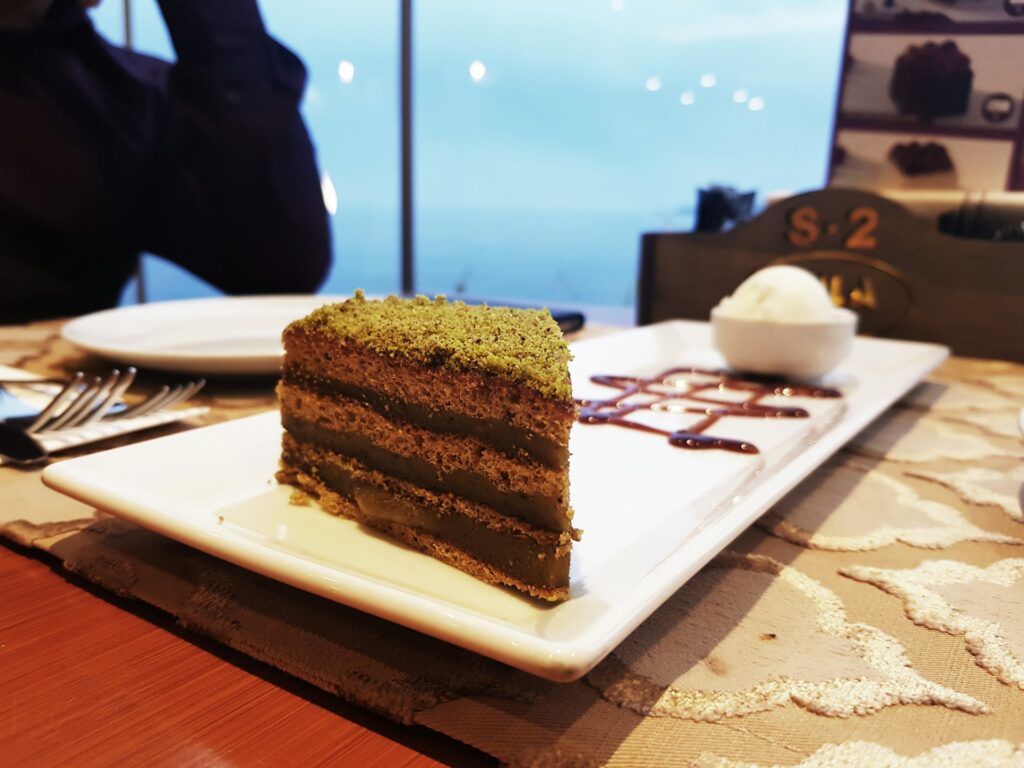
The local baklava makers are so serious about their craft that the city has a baklava-makers’ guild. Each piece contains hundreds of layers of handmade phyllo dough and precisely ground pistachios.
Jerash, Jordan: Beyond Petra’s Shadow
While tourists flock to Petra, food lovers should head to Jerash. This Roman ruins-studded city is where you’ll find Jordan’s most authentic food scene.
Local women still make mansaf (lamb cooked in fermented dried yogurt) the traditional way, while street vendors serve the best falafel you’ll ever taste. The secret? Many recipes haven’t changed since Roman times.
Hidden American Treasures
Oaxaca, Mexico: Mole Heaven
Mexico City may be trending, but Oaxaca is Mexico’s true culinary soul. This colonial city is famous for its seven different moles, but that’s just scratching the surface.
Local markets overflow with unique ingredients like chapulines (grasshoppers) and quesillo (string cheese), while mezcal bars serve rare varieties of the smoky spirit. The street food scene, particularly around Central de Abastos market, will change how you think about Mexican cuisine.
Charleston, South Carolina: The New Southern Star
New Orleans gets the glory, but Charleston is where Southern cuisine is being reinvented. The city’s chefs are combining traditional Lowcountry recipes with modern techniques.
Local seafood, particularly the oysters and shrimp, are some of the best in America. The secret? Many restaurants work directly with local fishermen and farmers to get ingredients you can’t find anywhere else.
African Culinary Capitals
Essaouira, Morocco: The Coastal Secret
Marrakech gets the tourists, but Essaouira is where you’ll find Morocco’s freshest seafood and most authentic flavors. This coastal city combines Berber, French, and Portuguese influences.
The port’s fish market is a daily spectacle, with restaurants grilling the morning’s catch right on the dock. Local spice merchants still blend their own ras el hanout, with some mixtures containing over 30 ingredients.
Stone Town, Zanzibar: Spice Island Paradise
This UNESCO World Heritage site is where African, Arab, and Indian cuisines collide. The local spice markets still operate like they did during the height of the spice trade.
Street vendors serve Zanzibari pizza (a unique fusion of Indian, African, and Middle Eastern flavors), while local restaurants dish up octopus curry that will haunt your dreams. The secret? Many spices are still grown on local plantations.
Planning Your Culinary Adventure
Best Times to Visit
Each destination has its prime food season. Penang’s durian season brings rare varieties you won’t find elsewhere, while San Sebastian’s txakoli wine is best enjoyed during summer festivals.
Weather can impact food experiences significantly. Chengdu’s hotpot is most satisfying during winter months, while Essaouira’s seafood is best during spring fishing season.
Local Food Customs
Understanding local eating customs enhances the experience. In Fukuoka, slurping ramen is a sign of appreciation, while in Bologna, putting cheese on seafood pasta is practically criminal.
Many destinations have specific meal times that differ from what you’re used to. Spanish pintxos are best enjoyed late at night, while Bulgarian markets are most active early in the morning.
Hidden Gem Tips
The best experiences often happen away from tourist areas. Look for restaurants full of locals, even if they don’t have English menus.
Street food is often where you’ll find the most authentic flavors. Look for long lines of locals – they know where the good stuff is.

Making the Most of Your Visit
Cultural Considerations
Food isn’t just sustenance in these destinations – it’s a way of life. Respect local customs and traditions around meals.
Many places have specific etiquette rules. Learning a few basic phrases in the local language can open doors to authentic experiences.
Photography Tips
While food photography is generally acceptable, some cultures have specific rules about taking pictures. Always ask before photographing people or private spaces.
The best food photos often come from morning markets when the light is perfect and vendors are setting up their fresh displays.
The Future of Food Tourism
These destinations face challenges balancing tourism with tradition. Many are working to protect their culinary heritage while welcoming visitors.
Many destinations are embracing sustainable food practices. Look for restaurants that source locally and support traditional farming methods.
The future of food tourism lies in preserving these unique culinary traditions while making them accessible to respectful visitors who appreciate their value.