
Table of Contents
You’ve taken the selfies and checked the landmarks off your list—but have you really experienced a place? True travel magic isn’t in the guidebooks—it’s in learning, tasting, and living a culture firsthand. From cooking with locals to joining ancient traditions, these 8 immersive cultural experiences will forever change how you travel.
1. Stay With a Local Family Instead of a Hotel
Hotels are comfortable but rarely give you a real sense of a place. Staying with a local family offers a firsthand look at daily life, traditions, and customs you’d never experience otherwise.
Homestays, farm stays, and cultural exchange programs let you share meals, join in on everyday activities, and hear stories that don’t make it into guidebooks. Platforms like Workaway, Couchsurfing, and Airbnb Experiences offer opportunities to stay with locals in destinations around the world.
It’s one thing to visit a country—it’s another to truly live in it, even for a short time.
2. Take a Traditional Cooking Class
Food is one of the most powerful ways to understand a culture. Instead of just eating at restaurants, learning to cook a local dish gives you a deeper appreciation of the ingredients, techniques, and history behind it.
In Thailand, you can learn the balance of flavors in authentic pad Thai. In Italy, a nonna might teach you how to make fresh pasta by hand. In Morocco, you’ll see how spices transform a simple tagine into a masterpiece.
These culinary adventures teach you how to recreate local dishes and deepen your appreciation for each recipe’s cultural significance and history.
3. Join a Cultural Festival or Celebration
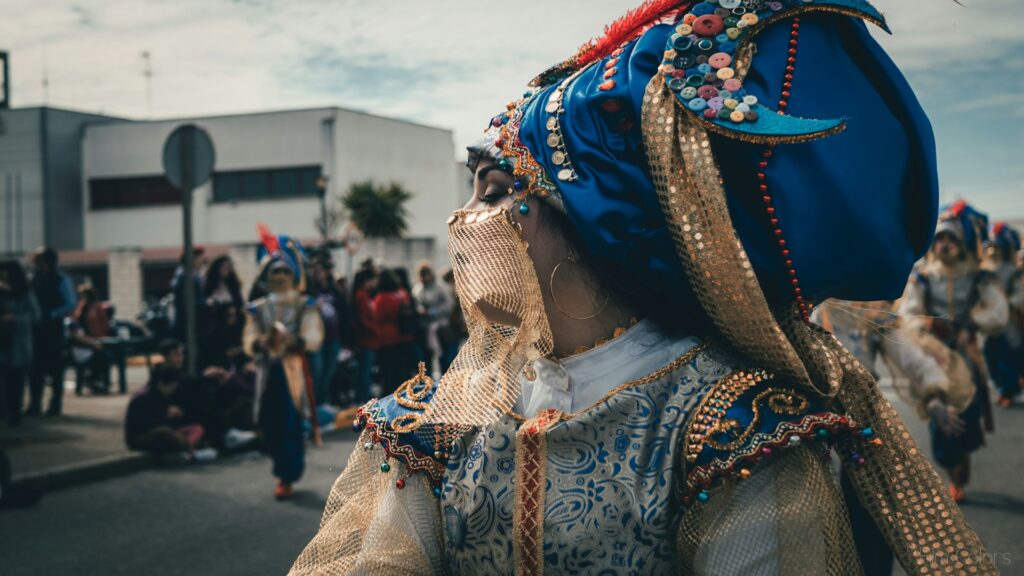
Nothing immerses you in a culture like attending its most important celebrations. Festivals bring together music, dance, rituals, and traditions that reflect a community’s soul.
Experience Holi in India, where clouds of vibrant powdered color fill the streets in a joyous celebration of spring and renewal. Dance in the Rio Carnival, where Brazilian samba, dazzling costumes, and massive parades create an electric atmosphere.
Witness Japan’s Gion Matsuri, a festival with centuries-old traditions, towering floats, and lively street processions in Kyoto’s historic district. Beyond the spectacle, festivals offer a chance to connect with locals, learn age-old customs, and experience a destination at its most vibrant.
4. Learn a Few Words in the Local Language
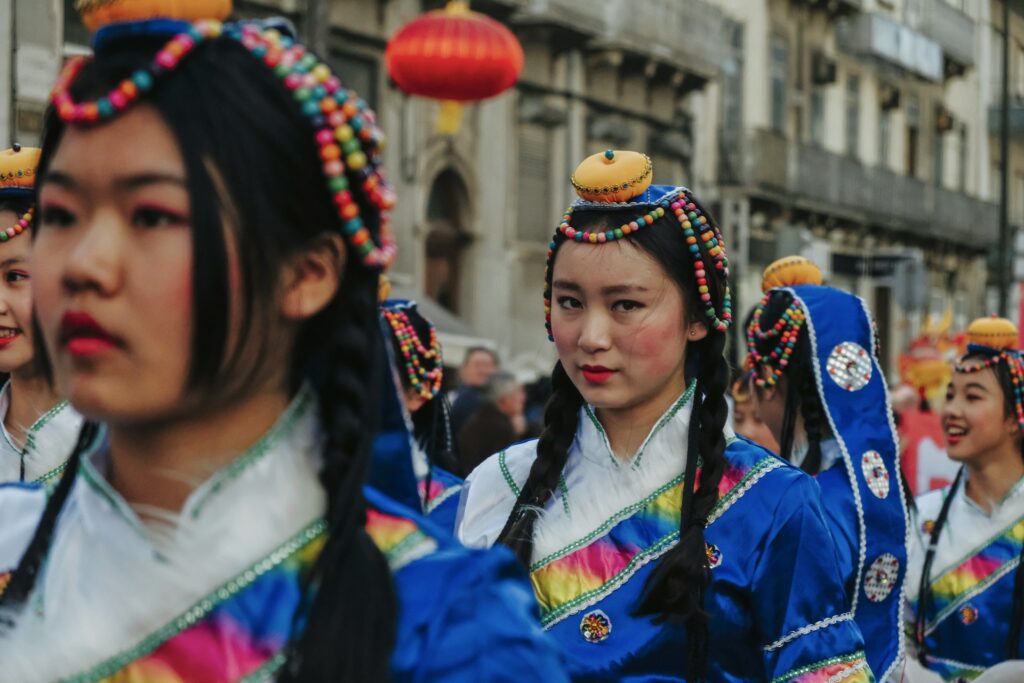
Speaking the language, even just a little, changes everything. Locals appreciate the effort; a simple hello or thank you can create an instant connection.
Learn basic greetings, numbers, and common phrases before you go. Apps like Duolingo and Memrise help, but real progress comes from practicing with native speakers. Even a few words can make interactions more engaging and open doors to unexpected experiences.
Knowing how to ask for prices, directions, or recommendations in markets, restaurants, or taxis makes travel easier and more enjoyable. A little language goes a long way—not just for communication but also for showing respect and building genuine connections.
5. Participate in a Traditional Craft or Art Form
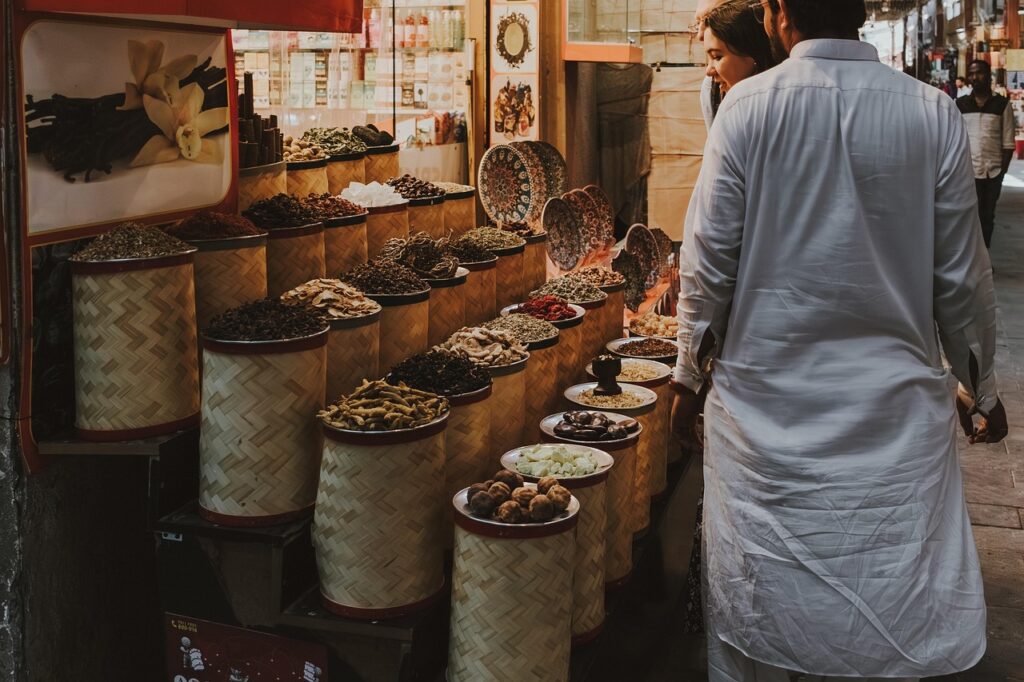
Every culture has its artistic traditions passed down through generations. Taking the time to learn one connects you with history, craftsmanship, and the people who keep these traditions alive.
Try weaving textiles in Guatemala, crafting pottery in Japan, or painting intricate henna designs in India. These experiences go beyond souvenirs—they’re skills and memories you take forever.
There’s something special about creating with your hands, guided by someone whose craft is part of their identity.
6. Spend Time in a Rural Village or Indigenous Community
Cities are exciting, but the heart of a culture often lies in its smaller communities. Visiting a rural village or indigenous community gives you an unfiltered glimpse into traditions that have stood the test of time.
In Peru, you can stay with Quechua families and learn about their Andean way of life. In Kenya, you can spend time with Maasai warriors and understand their deep connection to the land. These experiences, when done responsibly, allow for cultural exchange without exploitation.
The key is to approach with humility and a willingness to listen. You’re not there to take pictures—you’re there to learn.
7. Travel by Local Transport Instead of Tourist Buses

Hopping on a city bus, tuk-tuk, or even a crowded train instantly makes you feel part of the rhythm of daily life. Unlike tourist buses, which shield you from real experiences, local transport gives you a front-row seat to the culture.
Take a rickshaw ride through Delhi, a songthaew in Thailand, or a dolmuş in Turkey. Chat with locals, observe their routines, and enjoy the ride—even if it’s chaotic.
The journey is just as important as the destination, and public transport tells a story about people’s lives.
8. Volunteer or Support a Community Project
Travel isn’t just about the places you see—it’s about the impact you leave behind. Supporting a local initiative, conservation project, or social enterprise can make your journey more meaningful while benefiting the communities you visit.
Instead of short-term voluntourism, which can sometimes do more harm than good, focus on ethical, sustainable ways to contribute. This could mean buying from fair-trade artisans, dining at social enterprises, or joining a hands-on conservation effort.
If you have specialized skills—whether in education, healthcare, or entrepreneurship—consider ways to share knowledge in a genuinely helpful and welcoming way.
Even small choices, like staying in locally owned guesthouses or hiring community-based guides, help support livelihoods and preserve cultural heritage. Travel is about connection, and investing in the people who make a place special creates a lasting impact for them and you.
Travel Deeper, Experience More
The most unforgettable journeys involve checking off landmarks and those moments that make you feel part of something greater. By stepping beyond typical tourism and embracing immersive experiences, you gain more than just memories. You gain perspective, relationships, and a new way of seeing the world.

Related posts:
 Master Any Language in 30 Days: The Traveler’s Guide to Rapid Language Acquisition
 Travel the World from Your Couch: The Best Virtual Experiences for Armchair Explorers
 Live Like a Local: 8 Authentic Experiences You Won’t Find in Any Guidebook
 Hopheads Unite: The Ultimate Guide to Craft Beer Tourism Around the World