
Table of Contents
How adventurous are you? Ever faced a dish that made you pause, stare, and question your life choices—yet deep down, you had to know what it tasted like? That’s real bravery. From fermented fish that clears a room to live seafood that fights back, here are 15 of the world’s weirdest foods—if you’re daring enough to try them.
1. Balut (Philippines)
Balut is a fertilized duck egg that’s been incubated for 14–21 days before being boiled and eaten straight from the shell. Inside, you’ll find a partially developed duck embryo with soft bones, feathers, and all. It’s a popular street food in the Philippines, often paired with a pinch of salt or vinegar.
This dish is rich in protein and is believed to be an aphrodisiac. Locals enjoy the combination of broth, yolk, and tender duckling in one bite. If you’re feeling brave, you can find balut at night markets across Manila and other major cities.
2. Hákarl (Iceland)
Hákarl is a fermented Greenland shark that has been buried underground for weeks and hung to dry for months. The result? a pungent, ammonia-rich delicacy that even celebrity chefs struggle to swallow.
Historically, this dish allowed Icelanders to consume shark meat safely, as fresh Greenland sharks are toxic. Today, it’s a must-try for visitors, usually served in small cubes with a shot of Brennivín, Iceland’s traditional schnapps. The best place to sample hákarl is at Café Loki in Reykjavík.
3. Casu Marzu (Italy)

Casu marzu is a Sardinian sheep’s milk cheese that takes fermentation to the extreme—it contains live insect larvae. These tiny maggots break down the cheese’s fats, giving it a soft, spreadable texture. Some people eat it with the larvae, while others remove them before taking a bite.
The cheese is considered illegal in commercial markets due to health concerns, but locals argue it’s a treasured delicacy. It’s often eaten on homemade bread with a strong red wine. To try casu marzu, you’ll need to connect with local Sardinian cheesemakers, as it’s mostly sold underground.
4. Sannakji (South Korea)
Sannakji is a live baby octopus, served raw and wriggling on the plate. The octopus is chopped into bite-sized pieces, drizzled with sesame oil, and eaten while the tentacles are still moving.
The suction cups remain active, so you must chew thoroughly to avoid them sticking to your throat. This dish is popular at seafood markets in Seoul, particularly at Noryangjin Fish Market. It’s a favorite among thrill-seeking food lovers.
5. Surströmming (Sweden)
Surströmming is a fermented Baltic herring known for its overwhelmingly strong smell. It’s typically sold in cans and opened outdoors to avoid filling rooms with its intense aroma.
Swedes traditionally eat it with thin bread, potatoes, and onions to balance its sharp, tangy taste. Despite its reputation, locals love it and even host surströmming parties during late summer. If you’re up for the challenge, try it in northern Sweden, where it’s most popular.
6. Stinkheads (Alaska, USA)
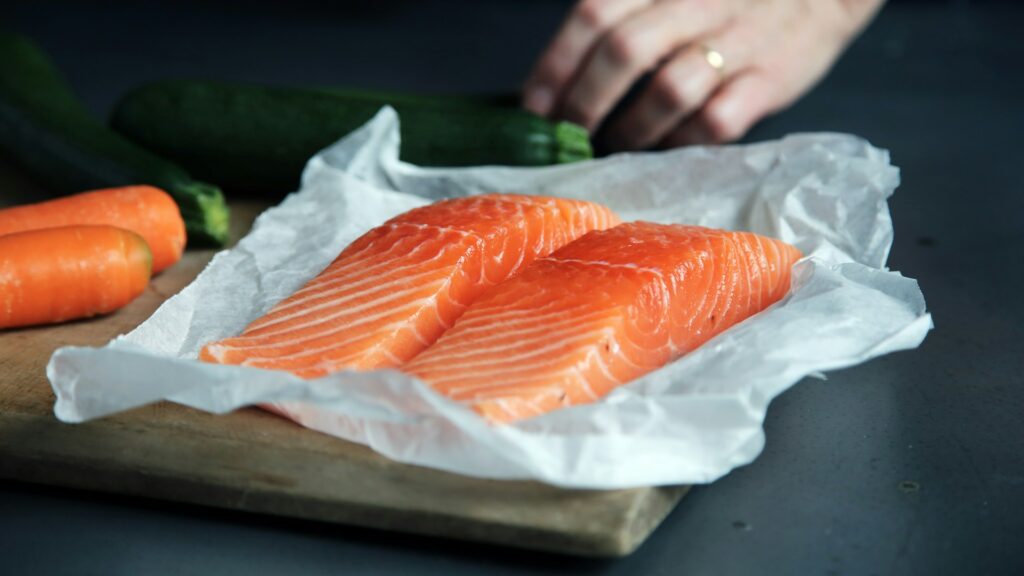
Stinkheads are fermented salmon heads, a traditional dish among Alaska’s Indigenous communities. The heads are buried underground for weeks until they break into a soft, paste-like consistency.
This preparation method allows the fish to preserve its nutrients for long, harsh winters. The strong aroma and acquired taste make it one of Alaska’s most unique foods. Some Yup’ik and Inuit communities still eat it, though modern refrigeration has reduced its prevalence.
7. Century Egg (China)
Century eggs, also called thousand-year eggs, are duck, chicken, or quail eggs preserved in a mixture of clay, ash, salt, and quicklime for several weeks or months. The result? A jelly-like, dark green egg white and a creamy, dark yolk.
Despite its strong, ammonia-like smell, century eggs taste mild and rich. They’re commonly served as an appetizer in congee or sliced and paired with pickled ginger. You can find century eggs in most dim sum restaurants or street food stalls across China.
8. Escamoles (Mexico)
Escamoles are ant larvae harvested from agave plant roots, often called “insect caviar.” These creamy, nutty-tasting larvae have been eaten since Aztec times and are still considered a delicacy in Mexico.
They’re typically sautéed with butter, garlic, and spices, then served in tacos or with eggs. The texture is similar to cottage cheese but with a mild, earthy flavor. To try escamoles, head to high-end restaurants in Mexico City or traditional markets in Central Mexico.
9. Tuna Eyeballs (Japan)
Tuna eyeballs are precisely what they sound like—large fish eyes served as a delicacy in Japan. They are often boiled or steamed and have a gelatinous outer texture with a rich, meaty center.
The flavor is mild, similar to squid or scallops, but the texture can be challenging for some. To enhance the taste, they are typically seasoned with soy sauce, garlic, or mirin. You’ll find them in fish markets and some izakayas (pubs) across Japan.
10. Mopane Worms (Southern Africa)
Mopane worms are large, protein-rich caterpillars commonly eaten in Zimbabwe, Botswana, and South Africa. They are often dried, smoked, fried, served as a crunchy snack, or cooked into stews.
The taste is earthy and nutty, with a chewy or crispy texture, depending on preparation. These worms are a crucial source of nutrition in many rural communities. If you’re curious, try them at traditional restaurants or markets in Southern Africa.
11. Jellied Moose Nose (Canada)
Jellied moose nose is a dish made by boiling and cooling moose snouts into a gelatinous texture. It’s a traditional meal in Indigenous Canadian communities, valued for its rich collagen and fatty flavor.
The preparation involves removing the fur, slow-boiling the nose with onions and spices, and letting it set in a chilled dish. The texture is soft and rubbery, similar to head cheese. You’ll find it in remote northern Canada, particularly in the Yukon and Northwest Territories.
12. Cuy (Peru & Ecuador)
Cuy, or guinea pig, is a traditional Andean dish in Peru and Ecuador. It’s typically roasted whole, often served with potatoes and corn. The taste is similar to rabbit, with a rich and gamey flavor.
Guinea pigs have been a food source in the Andes for thousands of years. They are raised specifically for consumption, much like chickens in other cultures. Try cuy at traditional restaurants in Cusco or Quito.
13. Shirako (Japan)
Shirako, meaning “white children,” is the sperm sac of fish, typically cod or pufferfish. It has a soft, creamy texture and is often served raw, steamed, or deep-fried.
The taste is mild and slightly sweet, with a texture similar to custard. It’s considered a delicacy in Japanese cuisine, often eaten in winter. You can find shirako at sushi restaurants and seafood markets across Japan.
14. Huitlacoche (Mexico)
Huitlacoche, also called “corn smut,” is a fungus that grows on corn kernels, turning them black and swollen. It’s considered a delicacy in Mexico and is often used in tacos, quesadillas, or soups.
Despite its appearance, huitlacoche has a deep, earthy, mushroom-like flavor. It’s packed with nutrients and has been eaten for centuries. You’ll find it at traditional markets and restaurants in Mexico.
15. Drunken Shrimp (China)
Drunken shrimp is a dish where live shrimp are soaked in liquor before being eaten raw. The alcohol stuns the shrimp, making them easier to consume while enhancing their sweet flavor.
The shrimp are usually marinated in rice wine or baijiu, a strong Chinese liquor. This dish is commonly found in eastern China, particularly in Jiangsu and Zhejiang provinces. Due to ethical concerns, it is controversial but remains a delicacy in some regions.
Would You Try Them?
Food is an adventure, and these dishes push the boundaries of what’s considered “normal” in different cultures. Whether you’re daring enough to take a bite or just fascinated by global cuisine, these foods remind us that taste is subjective.