
Table of Contents
The morning mist rolls gently across unfamiliar vineyards, revealing rows of vines that tell stories yet untold to most wine enthusiasts. Beyond the celebrated slopes of Bordeaux and Tuscany lies a world of exceptional wines waiting to be discovered.
The New Wave of Wine Tourism
Wine exploration has evolved beyond the traditional European powerhouses. Adventurous oenophiles now seek authentic experiences in emerging regions where ancient traditions meet modern innovation.
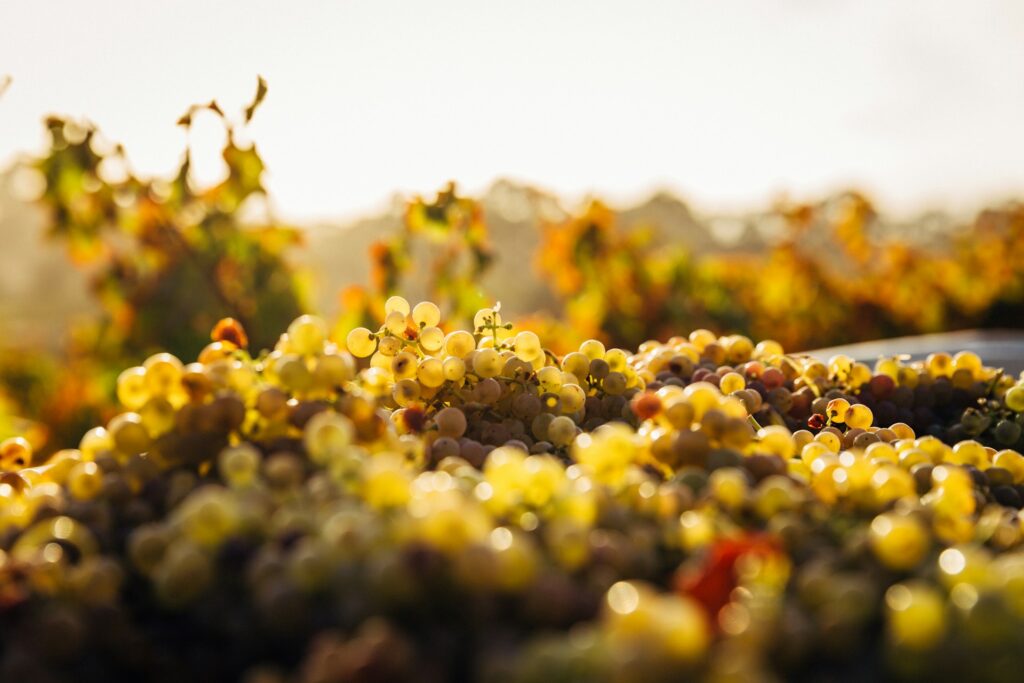
1. Finger Lakes, New York: America’s Cool-Climate Gem
Glacially carved lakes create unique microclimates perfect for producing stellar Riesling and Gewürztraminer. The deep waters moderate temperatures, protecting delicate vines from harsh winter freezes and summer heat.
Hidden Tasting Experiences
Small family-owned wineries offer intimate tastings in converted barns and historic homesteads. Winemakers frequently lead tours personally, sharing their passion and knowledge directly with visitors.
2. Priorat, Spain: Mountain Wines with Soul
Ancient vines cling to steep slate slopes in this remote Catalan region. The intense Mediterranean sun and mineral-rich soil produce powerful reds that rival the world’s finest wines.
Traditional Production Methods
Many wineries maintain centuries-old techniques while embracing modern precision. Hand-harvesting remains essential on the region’s precipitous terraced vineyards.
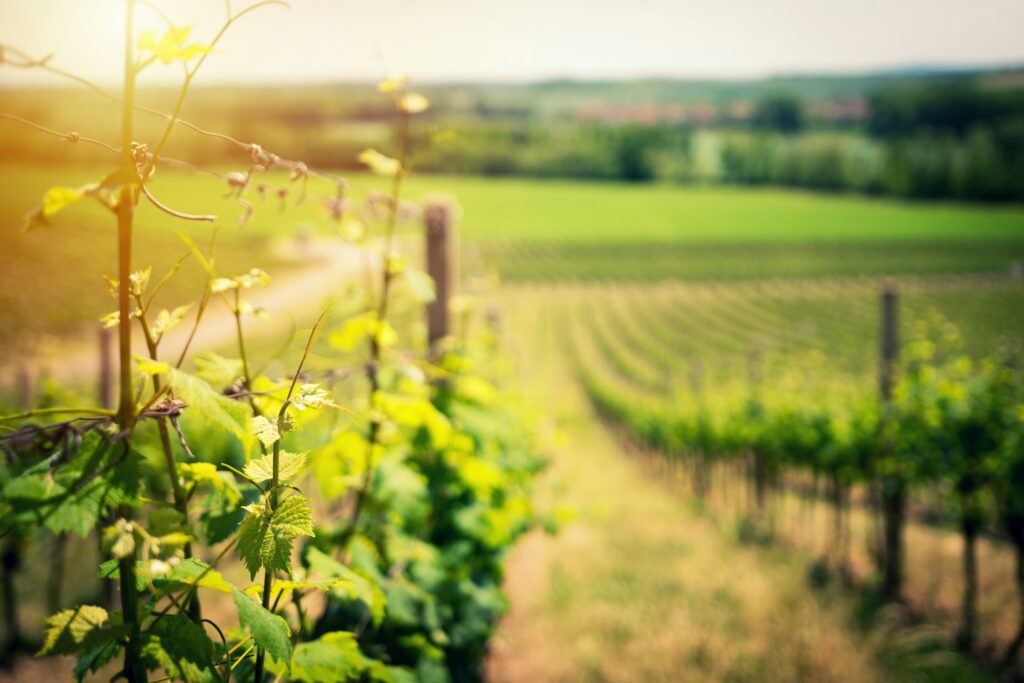
3. Uco Valley, Argentina: High-Altitude Excellence
Vineyards stretch toward the Andes at elevations exceeding 4,000 feet above sea level. The extreme growing conditions create wines of remarkable intensity and natural acidity.
Modern Wine Architecture
Contemporary wineries blend seamlessly into the dramatic mountain landscape. Floor-to-ceiling windows frame snow-capped peaks during tastings.
4. Pico Island, Azores: Volcanic Vineyard Heritage
UNESCO-protected stone walls shelter vines from Atlantic winds on this Portuguese island. Centuries-old growing methods produce distinctive wines from grapes grown in volcanic basalt.
Ancestral Techniques
Winemakers maintain traditional practices passed down through generations. Small-scale production preserves the authentic character of these unique island wines.
5. Thrace, Turkey: Ancient Traditions Renewed
Modern Turkish winemakers revive one of the world’s oldest wine regions. Indigenous grape varieties offer flavors unavailable anywhere else in the world.
Cultural Fusion
Byzantine ruins dot the landscape between contemporary wineries. Local cuisine perfectly complements the distinctive regional wines.
6. Swartland, South Africa: Revolution in the Desert
Young winemakers transform old bush vines into world-class wines. Minimal intervention practices allow the unique terroir to shine through.
Sustainable Practices
Dry farming and organic methods preserve precious water resources. Ancient vines produce naturally balanced fruit requiring little manipulation.
7. Golan Heights, Israel: Elevation and Innovation
Cool mountain climate enables production of elegant wines at surprising latitudes. Modern technology combines with historic wine culture dating to biblical times.
Technical Excellence
State-of-the-art wineries employ advanced techniques to overcome climatic challenges. Research partnerships drive continuous quality improvements.

8. Ningxia, China: The New Frontier
High-altitude desert conditions mirror famous wine regions worldwide. Significant investment creates world-class facilities in this emerging region.
Rapid Evolution
Each vintage brings noticeable quality improvements. International collaborations accelerate development of distinctive regional styles.
Planning Your Wine Adventure
Successful wine tourism requires careful attention to seasonal timing. Harvest periods offer unique opportunities to experience production firsthand.
Transportation Considerations
Remote wine regions often require careful logistics planning. Many areas offer specialized wine tour services with knowledgeable drivers.
Accommodation Options
Wine country lodging ranges from luxury resorts to intimate bed-and-breakfasts. Some wineries offer on-site accommodations providing immersive experiences.
Seasonal Availability
Popular wine regions can book months in advance during peak seasons. Shoulder season visits often provide better access to winemakers.
Tasting Etiquette
Different regions maintain varying customs regarding tasting room behavior. Advance research ensures appropriate cultural sensitivity.
Language Considerations
Basic wine terminology in local languages enhances the experience. Many regions offer translation services for technical tastings.
Food and Wine Integration
Regional cuisines develop alongside local wine traditions. Food pairing experiences highlight traditional matches.
Local Specialties
Traditional dishes often explain historical wine style development. Modern chefs create contemporary interpretations of classic pairings.
Documentation Methods
Serious wine tourists maintain detailed tasting notes for future reference. Digital platforms help organize experiences and purchases.
Photography Guidelines
Many wineries maintain specific policies regarding photo documentation. Proper techniques help capture wine’s visual appeal.
Wine Shipping and Transport
International wine transport requires careful attention to regulations. Professional shipping services specialize in temperature-controlled transport.
Customs Considerations
Different countries maintain varying rules regarding wine import. Documentation requirements vary by destination and quantity.
Building Wine Knowledge
Understanding regional varieties enhances tasting experiences. Local wine schools offer educational opportunities for visitors.
Technical Tastings
Many regions offer specialized tastings focusing on production methods. Comparative tastings highlight regional characteristics.
Meeting Wine Communities
Wine enthusiasm creates connections across cultural boundaries. Local wine clubs welcome visiting enthusiasts to tastings.
Social Networks
Online communities help wine tourists connect with local experts. Digital platforms facilitate private tasting arrangements.
Environmental Considerations
Climate change impacts wine regions worldwide. Sustainable practices become increasingly important for wine tourism.
Conservation Efforts
Many regions implement water conservation measures. Biodiversity preservation protects traditional wine landscapes.
The Future of Wine Tourism
Emerging regions continue developing distinctive styles. Traditional areas adapt to changing consumer preferences.
Technology Integration
Virtual experiences complement physical wine tourism. Digital platforms enhance planning and documentation.
Economic Impact
Wine tourism significantly benefits local economies. Regional development often follows wine tourism growth.
Community Benefits
Wine routes create opportunities for associated businesses. Cultural preservation accompanies wine heritage protection.
Preserving Authenticity
Increasing tourism presents challenges for maintaining regional character. Thoughtful development balances access with preservation.
Cultural Heritage
Wine traditions form important cultural patrimony. Tourism helps preserve traditional practices.
The world of wine continues expanding beyond familiar territories. These emerging regions offer passionate oenophiles new frontiers of flavor and experience.