
Table of Contents
Dust billows behind your vehicle as you traverse the ancient Silk Road routes, where caravans once carried spices and silk across continents. This is overlanding at its finest – where the journey itself becomes the destination.
The Modern Spirit of Overlanding
True overlanding transcends ordinary road trips, embracing the raw spirit of self-reliant travel across remote terrain.
Modern adventurers follow in the tracks of historic expeditions, armed with GPS units instead of sextants and satellite phones instead of weather-worn maps.
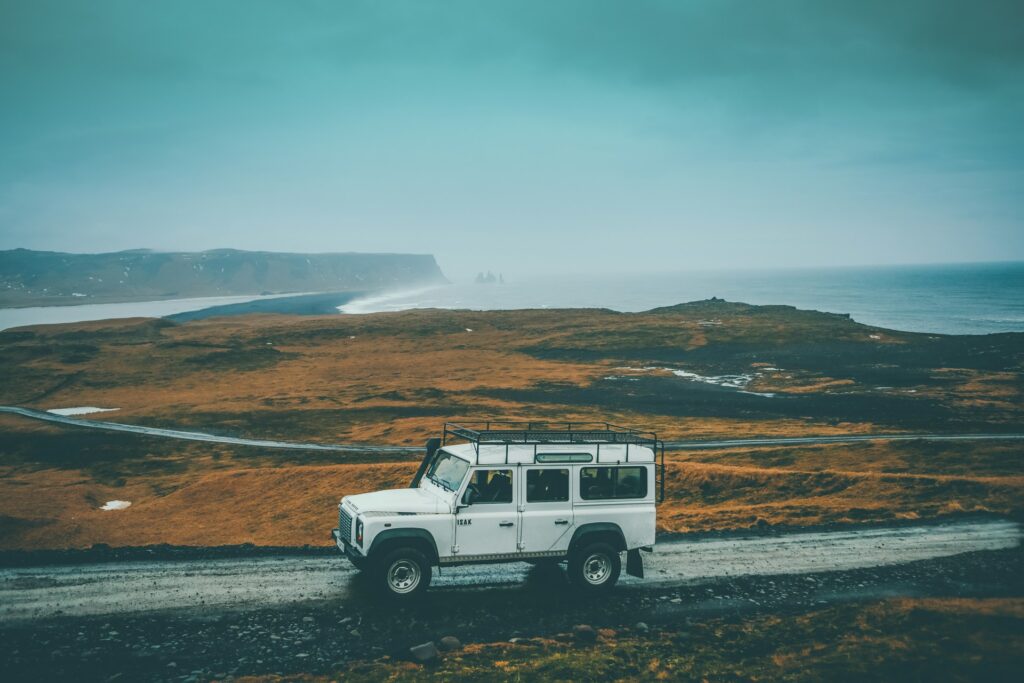
The Great Silk Road: China to Turkey
Ancient merchants spent years traversing this legendary route, their caravans laden with precious cargo. Today’s overlanders can complete the journey in three to four months, though many choose to extend their adventure to fully absorb the cultural richness along the way.
Preparation for the Silk Road
Successful Silk Road navigation demands meticulous preparation and multiple visas secured months in advance. Vehicle documentation must be impeccable, with carnets and permits arranged for each border crossing.
Cultural Highlights Along the Way
Every stop along the Silk Road reveals layers of history spanning thousands of years. The ancient city of Samarkand in Uzbekistan stands as a testament to Islamic architecture, its blue-domed madrasas reflecting centuries of scholarly pursuit.
Technical Challenges
The route alternates between surprisingly well-maintained highways and challenging dirt tracks that haven’t changed since Marco Polo’s time. High-altitude passes in the Pamir Mountains test both vehicle and driver capabilities.

The Pan-American Highway: Alaska to Patagonia
This epic north-south journey spans nearly 30,000 kilometers and crosses 14 countries. Travelers experience every climate zone on Earth, from Arctic tundra to Patagonian glaciers.
Planning Your Pan-American Adventure
Most overlanders spend between 12 and 24 months completing the full route. Seasonal timing becomes crucial when navigating between hemispheres and different elevation zones.
The Darien Gap Challenge
The infamous break in the Pan-American Highway between Panama and Colombia requires careful planning. Most travelers ship their vehicles around this impassable jungle stretch while taking time to explore the surrounding regions.
Geographic Diversity
Each country along the route presents unique landscapes and challenges. The Atacama Desert’s stark beauty contrasts sharply with the lush Amazonian rainforest.
Trans-African Adventure: Cairo to Cape Town
This legendary north-south African traverse challenges even the most experienced overlanders. The route covers approximately 15,000 kilometers through terrain ranging from Saharan dunes to equatorial rainforests.
Essential Preparations
Political stability and border situations require constant monitoring before and during the journey. Necessary documentation includes multiple visas, vehicle permits, and international driving permits.
Desert Navigation Skills
The Sahara demands specialized desert driving techniques and careful route planning. Successful crossing requires reliable GPS systems, satellite communication devices, and expert navigation skills.

Wildlife Encounters
The journey passes through some of Africa’s most renowned wildlife areas. National parks along the route offer chances to witness the continent’s iconic species in their natural habitats.
The Mongolia Loop: Ulaanbaatar Circuit
Mongolia’s vast steppes offer perhaps the world’s last truly open overlanding experience. Tracks crisscross the landscape, but few are marked on any map.
Mongolian Travel Considerations
The best weather window for traversing Mongolia spans from June to September. Winter temperatures can plummet to dangerous levels, making vehicle preparation essential.
Cultural Immersion
Mongolian hospitality traditions remain strong across the steppes. Local families often welcome travelers into their gers, sharing fermented mare’s milk and stories around evening fires.
Navigation Challenges
Traditional GPS systems prove less useful in Mongolia’s trackless terrain. Successful navigation often relies on combining modern technology with traditional wayforking methods.
The Australian Outback: The Great Cross-Continental Trek
Australia’s vast interior offers one of the world’s most remote overlanding experiences. The classic route from Perth to Sydney through the Outback covers more than 4,000 kilometers of challenging terrain.
Outback Preparation Essentials
Vehicle reliability becomes paramount in areas where the nearest mechanic might be hundreds of kilometers away. Extra fuel, water, and emergency supplies are non-negotiable requirements.

Indigenous Heritage Sites
The route passes through areas rich in Aboriginal history and culture. Sacred sites and ancient rock art provide glimpses into the world’s oldest continuing civilization.
Weather Considerations
Extreme temperature variations characterize the Outback experience. Summer temperatures can soar above 45°C, while winter nights may drop below freezing.
Essential Gear for Epic Overland Adventures
Modern overlanding requires a careful balance between traditional reliability and technological advancement. Satellite communication devices provide crucial safety backup in remote areas.
Vehicle Preparations
Your vehicle becomes your lifeline in remote areas, demanding meticulous maintenance and preparation. Recovery gear, spare parts, and repair knowledge form the foundation of safe overlanding.
Navigation and Communication
Multiple navigation systems provide essential redundancy in remote areas. Paper maps, GPS units, and satellite communication devices each serve crucial roles.
Camping and Survival Equipment
Quality camping gear makes the difference between an enjoyable adventure and a grueling ordeal. Durable tents, reliable cooking equipment, and proper storage solutions enhance the experience.
Documentation and Permits
International overlanding requires extensive paperwork and preparation. Vehicle documentation, visas, and permits must be arranged months in advance.
Insurance Considerations
International vehicle insurance policies require careful attention to detail. Coverage needs vary significantly between countries and regions.
Border Crossing Preparations
Each border crossing presents unique challenges and requirements. Proper documentation and local currency reserves smooth the process considerably.

Seasonal Planning Strategies
Timing becomes crucial when planning extended overland journeys. Weather patterns, religious festivals, and local holidays all influence route planning.
Regional Considerations
Different sections of long routes may have opposing optimal seasons. Flexibility in timing helps maximize favorable conditions along the way.
Local Festival Impact
Major religious observations and cultural festivals can affect travel significantly. These events offer rich cultural experiences but may also complicate logistics.
Cultural Awareness and Respect
Successful overlanding requires more than technical skills and proper equipment. Cultural sensitivity and basic language skills open doors throughout the journey.
Language Preparations
Basic greetings and crucial phrases in local languages demonstrate respect and facilitate connections. Picture dictionaries and translation apps provide backup communication options.
Local Customs and Traditions
Understanding and respecting local customs prevents unintentional offense. Different regions have varying expectations regarding dress, behavior, and social interactions.
Environmental Responsibility
Modern overlanders bear responsibility for minimizing their impact on fragile environments. Proper waste management and responsible camping practices preserve routes for future travelers.
Waste Management
Pack-in, pack-out principles apply even in remote areas. Proper disposal of waste materials protects pristine environments and local communities.
Sustainable Practices
Responsible overlanding includes supporting local communities through ethical purchasing and respectful interaction. Sustainable practices ensure routes remain viable for future generations.
The Future of Overlanding
Modern technology continues transforming the overlanding experience. Satellite internet access and electric vehicles present new possibilities and challenges for remote travel.
Evolving Technology
Electric vehicle technology promises to revolutionize overlanding possibilities. Solar charging systems and improved battery technology expand sustainable travel options.
Preservation Challenges
Growing popularity brings increased pressure on remote routes and communities. Responsible practices become increasingly crucial for preserving authentic overlanding experiences.
This comprehensive guide merely scratches the surface of epic overland adventures waiting to be experienced. Each journey offers unique challenges and rewards, testing adventurers while creating unforgettable memories.

Related posts:
 Introvert’s Paradise: 8 Destinations Where You Can Avoid People (Almost) Entirely
 Fuel Your Wanderlust: 10 Travel Podcasts That Will Inspire Your Next Adventure
 Trace Your Roots: How to Plan an Unforgettable Heritage Travel Experience
 Sip Your Way Around the Globe: 8 Under-the-Radar Wine Regions to Discover