
Table of Contents
Picture standing on the weathered cobblestones where your great-grandmother once walked, touching the same church door handle she grasped every Sunday morning.
Your DNA isn’t just a series of percentages on a computer screen – it’s a living story waiting to be discovered in the streets, buildings, and landscapes of your ancestral homeland.

The Call of Ancestral Lands
The surge in DNA testing has sparked a global movement of heritage tourism, with millions seeking deeper connections to their roots.
This isn’t your typical vacation – it’s a deeply personal journey that can reshape your understanding of who you are and where you come from. The stories passed down through generations become tangible when you walk the paths your ancestors walked.
Beginning Your Heritage Detective Work
Start your journey long before you pack your bags by diving deep into your family’s paper trail. Old photographs, letters, and documents hold crucial clues that can guide your travel plans.
Every detail matters, from the name of your grandfather’s village to the occupation listed on a great-aunt’s marriage certificate.
Professional genealogists recommend creating a detailed research plan before diving into records. Focus first on interviewing your oldest living relatives, as their memories can provide invaluable context for your journey.
Record these conversations, as seemingly minor details might become significant once you’re on the ground in your ancestral homeland.
https://unsplash.com/photos/books-and-pencil-on-map-Af8ZjGMsHKQhttps://unsplash.com/photos/black-framed-ray-ban-wayfarer-sunglasses-on-top-of-book-UoqAR2pOxMo
Documentation Essentials
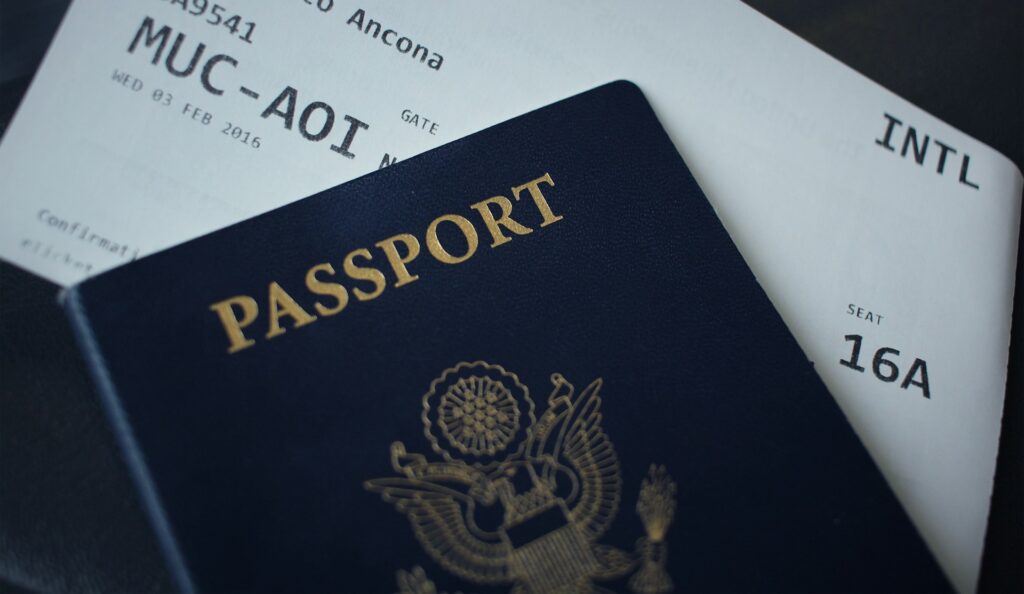
Gather all relevant documents and create both digital and physical copies before your trip. Immigration records, naturalization papers, and old passports can help pinpoint exact locations and timeframes.
Consider investing in a high-quality portable scanner to digitize records you might find during your travels.
Building Your Heritage Travel Timeline
The planning phase typically requires six months to a year of preparation for the most rewarding experience. Consider the seasonal festivals and events in your ancestral region that might align with your family’s traditions.
Religious holidays and harvest celebrations often preserve centuries-old customs that your ancestors might have participated in.
Strategic Timing Considerations
Weather patterns and local events should heavily influence your travel dates. Many European villages become nearly inaccessible during winter months. Summer festivals can provide unique cultural insights but might make accommodations scarce and expensive.
Making Local Connections
Reach out to historical societies and genealogical groups in your ancestral region several months before your trip.
These organizations often maintain detailed local records and can connect you with residents who share your family name. Social media groups focused on specific regions or surnames can provide valuable connections and insights.
Professional Support Worth Considering
Heritage travel guides specialize in crafting meaningful experiences for family history explorers.
Their local knowledge and language skills can prove invaluable in remote areas. They often have access to private archives and can arrange meetings with local historians or distant relatives.
Technology and Tools for Your Journey
Modern apps and devices can enhance your heritage travel experience without detracting from its authenticity. Translation apps, GPS mapping tools, and genealogy software should all be downloaded for offline use.
Consider bringing a dedicated camera beyond your smartphone for high-quality documentation of your discoveries.
Creating Your Research Strategy
Develop a clear plan for accessing local records offices, churches, and archives. Many small-town institutions operate on limited schedules and might require advance appointments. Email or call ahead to confirm operating hours and document access procedures.
Language and Cultural Preparation
Even basic phrases in your ancestors’ language can open doors and hearts in your family’s homeland. Study key genealogical terms in the local language to help you read documents and gravestones.
Understanding local customs and etiquette will help you navigate sensitive situations and show respect for the community.
Documentation Methods
Bring multiple means of recording your discoveries and experiences during your journey. A weatherproof notebook can capture immediate thoughts and feelings that might be lost in digital formats. Voice recordings can preserve the ambient sounds of your ancestral village and interviews with locals.
Immersive Cultural Experiences
Plan activities that connect you with the daily life your ancestors might have known. Local cooking classes can teach you traditional recipes passed down through generations. Agricultural tours might demonstrate farming methods your family once practiced.

Religious and Spiritual Connections
If your ancestors were religious, visiting their places of worship can provide profound insights into their lives.
Many churches maintain centuries of records and might allow you to attend services in the same space your family once gathered. These experiences can create powerful emotional connections across generations.
Local Market Exploration
Traditional markets often preserve cultural practices that span centuries. Visiting these spaces lets you experience the sights, sounds, and smells your ancestors might have known. Local food vendors might still prepare dishes using age-old recipes familiar to your family.

Managing Emotional Responses
Heritage travel often triggers unexpected emotional reactions when connecting with your family’s past. Build flexibility into your schedule to process these experiences fully. Some discoveries might challenge family narratives or reveal difficult truths about your ancestors’ lives.
Creating New Family Traditions
Use your heritage journey to establish meaningful rituals that honor your family’s legacy. Consider collecting small objects or soil from significant locations to share with relatives back home. Take photographs that recreate old family images in the same locations generations later.
Practical Documentation Tips
Develop a system for organizing the materials you collect during your journey. Label photos and documents immediately with locations, dates, and relevant details. Create backup copies of digital files regularly during your trip.
Unexpected Discoveries
Leave room in your schedule for spontaneous exploration and unexpected leads. Some of the most meaningful discoveries come from chance encounters with locals who remember your family or recognize your surname. These unplanned moments often provide the richest insights into your family’s story.
Building Community Connections
Take time to contribute to the local community during your visit. Consider sharing copies of old family photographs with local historical societies. Your research might help others tracing their roots in the same area.
Preserving Your Heritage Journey
Plan how you’ll organize and share your discoveries before returning home. Create a digital archive that future generations can access. Write detailed accounts of your experiences while memories remain fresh.
Creating a Lasting Legacy
Transform your heritage travel experiences into meaningful family heirlooms. Consider creating a book, video documentary, or online archive that preserves your discoveries. These resources will help future generations understand their roots and might inspire them to continue exploring family history.
The Ongoing Journey
Remember that heritage travel often leads to lasting connections with newfound relatives and communities.
Maintain these relationships through regular communication after your return. Your journey of discovery doesn’t end when you return home – it becomes part of your family’s continuing story.
Impact on Future Generations
Your heritage journey creates a bridge between past and future generations of your family. The stories, photographs, and connections you discover will help your descendants understand their place in a longer family narrative.
This understanding of personal history can provide a stronger sense of identity and belonging for years to come.

Related posts:
 Head in the Stars: 7 Breathtaking Places for Unbelievable Night Sky Views
 Traveling With Fido: The Ultimate Guide to Pet-Friendly Adventures
 No Visa No Problem: 15 Amazing Countries You Can Visit Without the Paperwork Hassle
 Introvert’s Paradise: 8 Destinations Where You Can Avoid People (Almost) Entirely