
Table of Contents
Forget everything you know about boring rental cars and predictable tour buses. In corners of the world both near and far, creative travelers are discovering transportation methods that turn the journey itself into an unforgettable adventure.
From ancient traditions to modern innovations, these unusual ways to explore will transform how you think about getting from point A to point B.

Bamboo Train in Cambodia
In the outskirts of Battambang, locals have transformed abandoned railway tracks into one of the world’s most unique transportation systems.
Called norry in Khmer, these “bamboo trains” consist of a simple bamboo platform mounted on salvaged tank wheels and powered by a small motor.
Racing along at surprising speeds, these makeshift vehicles carry everything from tourists to rice sacks between villages.
When two trains meet on the single track, the one with the lighter load must be completely disassembled to let the other pass – a process the skilled operators complete in mere minutes.

Reindeer Sledding in Arctic Norway
Deep in the heart of Sami territory, traditional reindeer sledding offers an intimate glimpse into Arctic life. Unlike tourist-oriented dog sledding, reindeer sledding remains an authentic mode of winter transportation for indigenous communities.
Wrapped in reindeer furs against the cold, you’ll glide silently through snow-draped forests as your breath freezes in the crisp air. The gentle tinkling of bells around the reindeers’ necks creates a magical soundtrack as you traverse landscapes unchanged for thousands of years.
Water Buffalo Taxi in Vietnam
In the lush Mekong Delta, some farmers have turned their working water buffalos into unique taxis for adventurous travelers.
These gentle giants, already experts at navigating muddy rice paddies, carry visitors along narrow paths between fields and small villages.
The elevated position offers perfect views of rural life, while the slow pace allows for genuine interactions with locals tending their crops. It’s a far cry from the chaotic motorbike traffic of Ho Chi Minh City, and that’s exactly the point.

Cargo Ship Adventure
For those with time to spare and a yearning for authentic maritime experience, cargo ships offer perhaps the most unusual way to cross oceans. These working vessels accept a handful of passengers on their regular routes, providing a fascinating glimpse into the world of international shipping.
Your fellow travelers might include containers full of electronics bound for Rotterdam or grain headed to Singapore. Days pass to the rhythm of port calls and sea conditions, with plenty of time to spot marine life, read that novel you’ve been putting off, or learn about navigation from the crew.
Underground Funicular in Turkey
Beneath the streets of Istanbul’s Karaköy district, the world’s second-oldest subway line still carries passengers up the steep hill to Beyoğlu. Built in 1875, the Tünel is barely 600 meters long but saves pedestrians from a grueling uphill climb.
The wooden cars maintain their vintage charm while modern safety systems ensure smooth operation. It’s a perfect example of how historical transportation methods can remain relevant in contemporary urban settings.

Chicken Bus in Guatemala
These flamboyantly painted former U.S. school buses represent Central American ingenuity at its finest.
Transformed with bright colors, chrome accessories, and powerful sound systems, chicken buses (named for the occasional livestock they transport) serve as the backbone of Guatemala’s public transportation system.
Skilled drivers navigate mountain roads while assistants hang from the doors, calling out destinations and expertly loading an impossible amount of cargo on the roof. It’s chaotic, crowded, and completely unforgettable.
Ice Angel in Finland
During winter months, the frozen waters between Finland’s Åland Islands become official ice roads, maintained by government vessels called Ice Angels.
These specialized boats can switch between acting as traditional ferries in open water and powerful icebreakers when conditions demand.
Passengers experience the surreal sensation of traveling across frozen seascapes, sometimes witnessing their vessel crash through ice sheets before smoothly transitioning back to normal sailing.
Tuk Tuk Racing in Sri Lanka
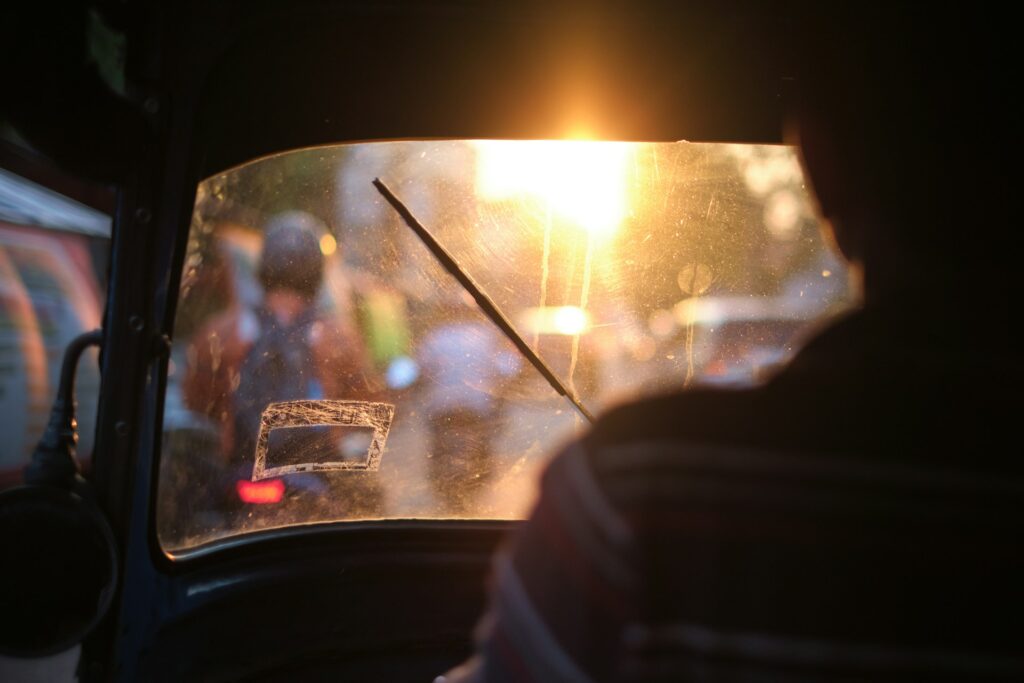
While tuk tuks themselves aren’t unusual in Asia, Sri Lanka has elevated the humble three-wheeler into an adventure sport. Several companies now offer multi-day tuk tuk rallies where travelers drive their own vehicles through the country’s diverse landscapes.
After basic driving lessons and safety briefings, participants navigate mountain roads, coastal highways, and urban chaos. It’s not just about the destination – these slow-moving vehicles force you to embrace the journey and interact with locals at every stop.

Desert Sailing in Namibia
In the stark beauty of the Namib Desert, traditional sailing techniques have been adapted to land travel.
Wind-powered sand yachts zip across the ancient dried lake beds, reaching surprising speeds as their specialized wheels glide over the smooth surface.
Silent except for the sound of the wind, these vessels offer an exhilarating way to explore one of Earth’s oldest deserts while leaving minimal environmental impact.
River Surfing Bus in Netherlands
Amsterdam’s amphibious buses put a whole new spin on canal tours. These vehicles seamlessly transition from city streets to waterways, transforming from ordinary buses into boat-like vessels before passengers’ eyes.
Unlike similar vehicles elsewhere, these Dutch innovations maintain the comfort of regular buses while adding the unique perspective of water-level views of historic canal houses. The moment when your bus first splashes into the water never fails to delight both tourists and locals alike.
Essential Safety Considerations
While these unconventional transportation methods offer unique experiences, they require different safety awareness than traditional travel.
Local operators usually understand their equipment and conditions intimately, but travelers should still maintain basic precautions.
Ask about safety features, listen carefully to instructions, and respect weight limits and weather restrictions. Remember that what seems unusual to visitors often represents generations of refined local knowledge.
Environmental Impact
Many of these alternative transportation methods actually offer environmental advantages over conventional tourism vehicles.
Traditional animal transport produces minimal carbon emissions, while wind-powered options like desert sailing leave almost no environmental footprint.
Even cargo ship travel, despite using fossil fuels, provides a more efficient carbon-per-mile ratio than flying when you’re already hitching a ride on a vessel making its journey regardless of passengers.
Booking Tips and Practicalities
Most of these experiences require advance planning and flexibility. Cargo ship voyages often need booking months ahead and may have stringent medical requirements.
Local transport like chicken buses operates on loose schedules best approached with patience and a sense of adventure.
Some options, like reindeer sledding, are highly seasonal and may only operate during specific months. Research local operators carefully and book through reputable agencies when possible.
Cultural Significance
Beyond mere transportation, many of these methods represent important cultural heritage. Reindeer sledding maintains centuries-old Sami traditions, while bamboo trains demonstrate Cambodian resourcefulness in post-conflict recovery.
Engaging with these transport options offers deeper insights into local communities than any standard tour could provide.
Preparing for Your Adventure
Success with alternative transportation often depends on mental preparation as much as physical readiness. Embrace unpredictability, pack light but smart, and bring appropriate gear for your chosen method.
A waterproof bag is essential for water buffalo rides, while motion sickness remedies might be crucial for cargo ships.
Most importantly, maintain an open mind and ready smile – you’re not just choosing a different way to travel, you’re choosing to become part of local life, if only briefly.

Related posts:
 Solo Female Travelers Reveal: The Safest (And Most Empowering) Destinations for Women
 Ex-Flight Attendant Reveals: The Dirtiest Places on an Airplane (You’ll Never Guess #3!)
 Party Around the Globe: The World’s Most Insane Festivals You Have to Experience
 The One Travel App That Will Save You Thousands (And 9 Others You Need to Download Now)