Table of Contents
In a world where our phones buzz incessantly and emails pile up faster than we can read them, the idea of completely disconnecting isn’t just appealing – it’s becoming necessary for our sanity.
Let me share some incredible hideaways where the only notification you’ll get is the sound of waves crashing or birds chirping.

Treehouses in Olympic National Park, Washington
Nestled high among centuries-old cedars, these eco-friendly treehouses offer the perfect blend of childhood fantasy and grown-up comfort.
You won’t find WiFi here, but you will discover handcrafted wooden interiors, panoramic forest views, and the kind of peace that only comes from being suspended 50 feet above the ground.
Each morning, you’ll wake to misty mountains and the gentle rustle of leaves – nature’s own alarm clock. The best part? Your closest neighbors are Roosevelt elk and black-tailed deer.
Remote Mongolian Ger Camps
Trade your cramped apartment for the endless horizons of the Mongolian steppes. In traditional ger camps scattered across the Gobi Desert, you’ll experience life as nomads have for centuries.
Your days revolve around horseback riding across vast grasslands, learning traditional archery from local masters, and sharing fermented mare’s milk with nomadic families.
Solar panels provide basic lighting, but you won’t find a single bar of cell service for hundreds of miles. This is where stars actually outshine screens.
Hidden Beach Huts in Raja Ampat, Indonesia
Forget overwater bungalows in the Maldives – these simple beachfront huts in Raja Ampat redefine island living.
With no electricity except for a few solar-powered lights, your entertainment comes from world-class snorkeling in crystal-clear waters, watching hornbills soar overhead, and falling asleep to the rhythm of gentle waves.
Local families prepare fresh-caught fish daily, and the only decision you’ll need to make is which pristine beach to explore next.
Scottish Highland Bothies
These basic stone shelters scattered throughout Scotland’s remote highlands offer the ultimate digital detox. No electricity, no running water, and absolutely no WiFi – just you, ancient landscapes, and perhaps a bottle of single malt whisky.
Each bothy has its own character and history, from former shepherds’ cottages to renovated mining cabins. You might share stories with fellow hikers around a crackling fireplace or have the entire glen to yourself for days.
Desert Eco-Lodge in Namibia’s NamibRand Nature Reserve
Surrounded by the world’s oldest desert, this solar-powered lodge combines environmental consciousness with absolute isolation.
The nearest town is hours away, and light pollution is so minimal that it’s Africa’s only International Dark Sky Reserve.
Days are spent tracking desert-adapted wildlife and climbing ancient dunes, while nights reveal stars so bright and numerous they look like scattered diamonds.
Your room’s glass walls offer unobstructed views of the desert, but don’t worry – the only ones peeking in are curious oryx and jackals.
Mountain Refugio in Chilean Patagonia
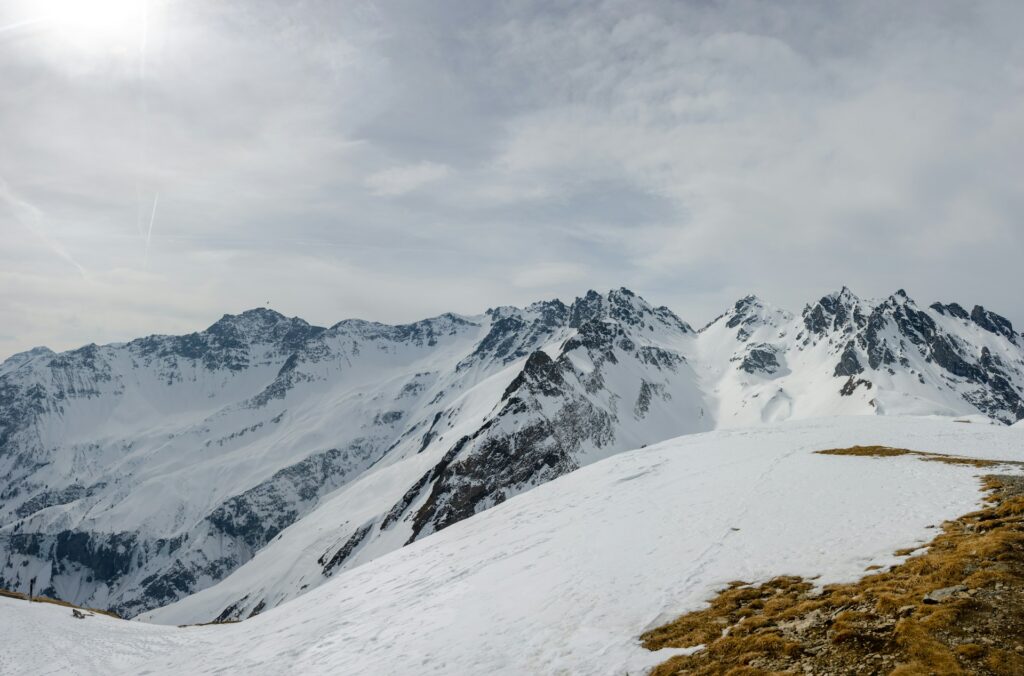
Hidden deep in the Torres del Paine National Park, this family-run refugio takes “getting away from it all” to new heights – literally.
Accessible only by a challenging six-hour hike, it rewards the adventurous with jaw-dropping views of granite peaks and glacial lakes. Solar panels provide basic electricity for a few hours each evening, but that’s it for modern amenities.
Instead of scrolling through social media, you’ll spend your time hiking pristine trails, watching condors soar overhead, and sharing mate tea with Chilean mountaineers.
Finding Your Way Back
These destinations aren’t just places to stay – they’re opportunities to rediscover what life feels like without the constant digital buzz.
When you finally emerge from your off-grid adventure, you’ll bring back more than just photos (though you might not have many of those either). You’ll carry a renewed sense of peace, perspective, and perhaps even a slight reluctance to turn that phone back on.

Essential Packing for Off-Grid Adventures
Beyond the usual travel essentials, going off-grid requires thoughtful preparation. Pack lightweight, multi-purpose clothing that can handle various weather conditions.
A reliable water filtration system is non-negotiable, as is a robust first-aid kit. Solar-powered chargers can keep basic devices running for emergencies, while a good quality headlamp becomes your best friend after sunset.
Don’t forget analog entertainment – books, playing cards, and sketch pads will become precious when digital diversions aren’t available.
Best Times to Disconnect
For northern destinations like the Scottish Bothies or Olympic National Park, summer months offer longer daylight hours and milder conditions. The Mongolian steppes are most welcoming from May to September, while Raja Ampat’s sweet spot falls between October and April.

For desert locations like NamibRand, plan around extreme temperatures – March to May and September to November offer the most pleasant conditions. Remember that some locations become completely inaccessible during certain seasons, so thorough research is essential.
Pro Tips for Going Off-Grid
Tell key people where you’re going and when you’ll be back. Even in today’s connected world, sometimes being unreachable is exactly what we need.
Pack a journal – when you can’t document every moment digitally, you’ll be surprised how much more vivid your memories become through writing.
Bring a sturdy camera with extra batteries. These places are photographer’s dreams, and you’ll want to capture some moments the old-fashioned way.
Learn basic navigation skills beforehand. When Google Maps isn’t an option, knowing how to read a physical map becomes crucial.
Most of these locations require advance booking, sometimes months ahead. Their limited availability is part of what keeps them special.
Your Next Escape Awaits
Whether you choose to sleep among the trees in Washington or under the stars in Namibia, these destinations offer something increasingly rare in our hyper-connected world: genuine escape. And sometimes, that’s exactly what we need to remember who we are without all the notifications.