
Table of Contents
Think you’re a foodie because you’ve tried sushi? Buckle up, buttercup. I’m about to take your taste buds on a wild ride through the world’s most exotic street foods. These aren’t just meals; they’re edible dares that’ll make your last food challenge look like a kid’s menu.
1. Balut – Philippines
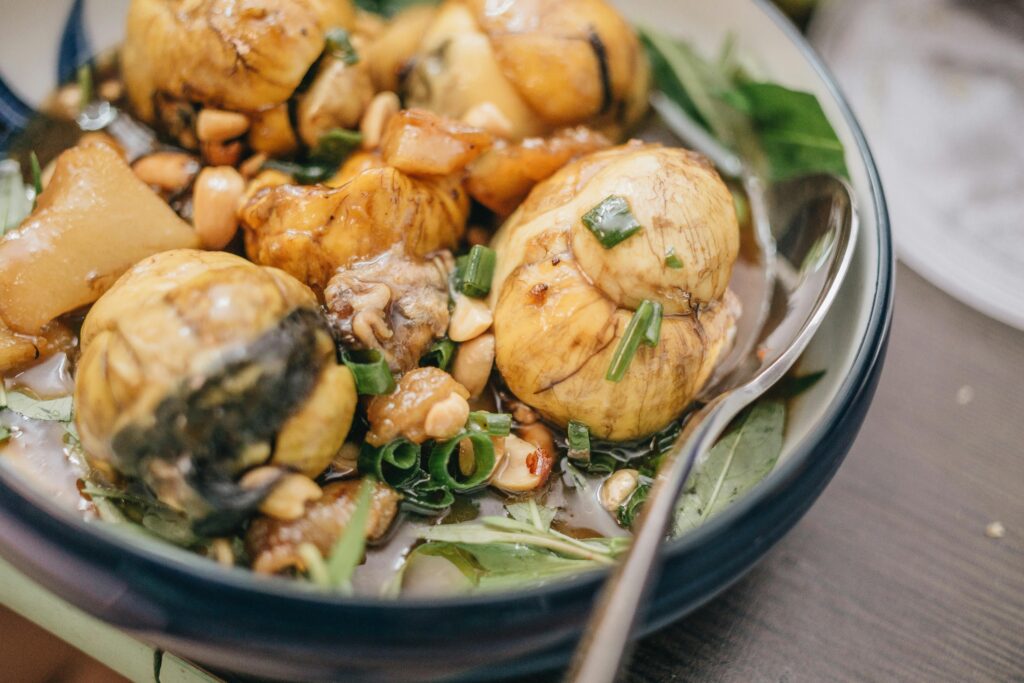
Picture this: You’re strolling through a bustling Manila night market, the air thick with the scent of sizzling meat and sweet fruits. Then you spot it – a vendor selling what looks like ordinary eggs. But these aren’t your average breakfast staples. Welcome to balut, the Filipino delicacy that’s part egg, part duckling, and 100% adventure.
Crack open the shell, and you’ll find a partially developed duck embryo, complete with beak, feathers, and all. It’s typically boiled and eaten straight from the shell, often with a pinch of salt or a splash of vinegar. The taste? Imagine a rich, savory egg with a unique texture that’s part soup, part meat.
Pro tip: Start with a younger balut (around 14-16 days old) for a less… visually challenging experience. And remember, it’s all about the broth – sip it first to ease into the experience.
2. Cuy (Guinea Pig) – Peru
No, I’m not talking about your childhood pet. In Peru, guinea pig isn’t just cute and cuddly – it’s dinner. Cuy has been a staple in Andean cuisine for thousands of years, long before these critters became popular pets in the West.
Typically roasted whole and served with potatoes and corn, cuy looks a bit like a mini rotisserie chicken – if chickens had tiny paws and buck teeth. The meat is dark and gamey, often compared to rabbit or dark chicken meat.
Fair warning: Cuy is usually served whole, head and all. If you’re squeamish about your food staring back at you, you might want to close your eyes for the first bite. But trust us, the crispy skin and flavorful meat are worth facing your fears.
3. Hákarl (Fermented Shark) – Iceland
Iceland: land of breathtaking landscapes, Northern Lights, and… rotten shark? Hákarl is Greenland shark that’s been fermented and hung to dry for several months. Why the lengthy prep? Well, fresh Greenland shark is actually toxic to humans. The fermentation process makes it safe to eat – though “safe” is a relative term here.
The smell is legendary – think strong ammonia with notes of very old cheese. The taste isn’t much better, often described as a pungent, fishy blue cheese. It’s traditionally chased with a shot of Brennivín, Icelandic schnapps, which might tell you something about the taste.
Brave enough to try? You’ll find hákarl in most Icelandic supermarkets, often pre-cut into bite-sized cubes. Just hold your nose and think of the Viking ancestors who survived on this stuff.
4. Fugu (Pufferfish) – Japan
Ever wanted to literally risk your life for a meal? Enter fugu, the infamous Japanese pufferfish that contains enough toxin to kill 30 adults. Only licensed chefs can prepare it, turning this deadly fish into a prized delicacy.
The taste is subtle – some say it’s not even that remarkable. But that’s not why you’re eating it, is it? It’s all about the thrill, the slight numbness on your lips and tongue, and the knowledge that you’re flirting with danger in the most delicious way possible.
Remember: Only eat fugu at reputable restaurants. This is one street food you definitely don’t want from a sketchy back alley vendor. Your Instagram story isn’t worth dying for.
5. Witchetty Grub – Australia
Australia: where even the bugs are trying to kill you – or in this case, nourish you. Witchetty grubs are fat, white, wood-eating larvae that have been a staple of Indigenous Australian diets for thousands of years.
Raw, they’re said to taste like almonds. Cooked, they develop a crispy skin and a flavor often compared to roast chicken or scrambled eggs. They’re packed with protein and good fats, making them a surprisingly nutritious snack.
Feeling squeamish? Close your eyes and think of it as a land oyster. Who knows? You might just discover your new favorite bush tucker.
6. Tuna Eyeballs – Japan
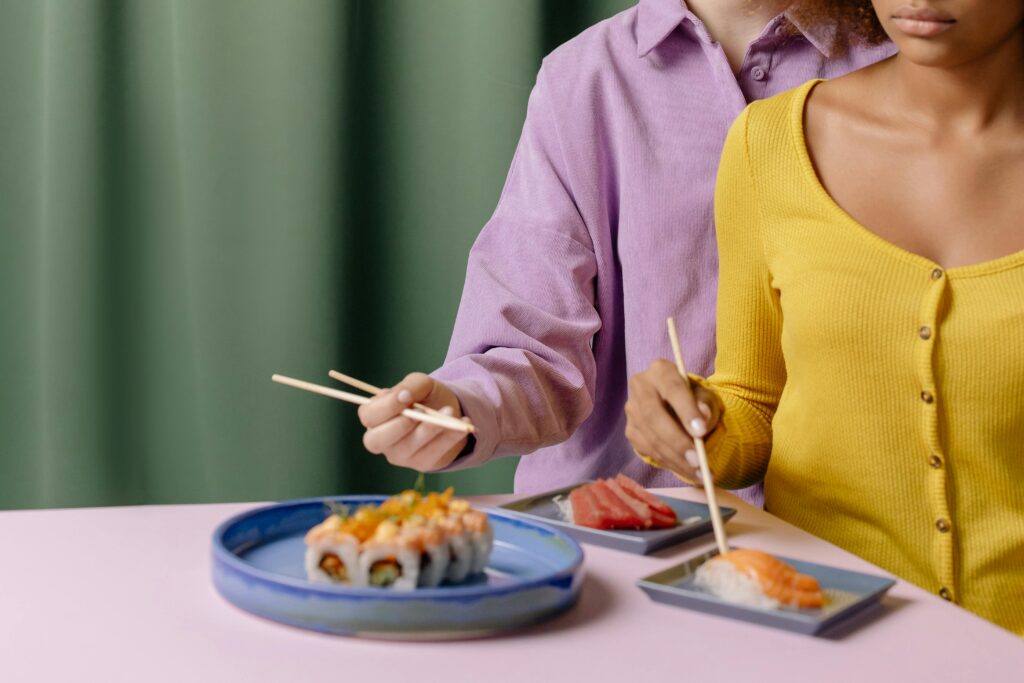
Back to Japan, where apparently no part of the fish goes to waste – including the eyes. Tuna eyeballs are exactly what they sound like: the entire eye of a tuna, served whole and usually boiled or steamed.
Despite their alarming appearance, the taste is surprisingly mild – think a fishy, fatty gelatin with a texture somewhere between squid and hard-boiled egg white. The eyeball is surrounded by fatty tissue that’s said to be the best part.
Pro tip: These are often served in izakayas (Japanese pubs). A few drinks beforehand might help you muster up the courage to stare down your dinner.
7. Sannakji (Live Octopus) – South Korea
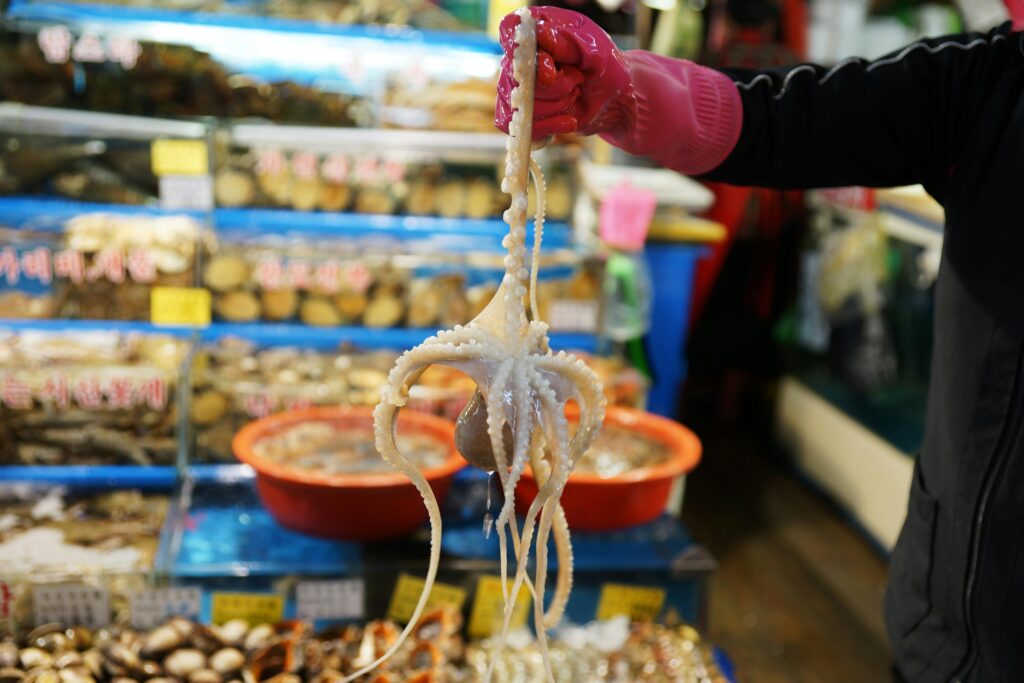
Ever had your food try to escape from your plate? Welcome to the world of sannakji, or live octopus. This Korean delicacy involves small octopuses cut into wriggling pieces and served immediately – meaning the tentacles are still moving when they hit your plate.
The flavor is mild and fresh, but the real challenge is in the eating. The suction cups on the tentacles can stick to your mouth and throat, making this a potentially dangerous dish if not eaten carefully. Chew thoroughly and wash it down with plenty of soju.
Remember: This is one dish where playing with your food isn’t just allowed – it’s part of the experience.
8. Escamoles (Ant Larvae) – Mexico
Often called “insect caviar,” escamoles are the edible larvae of ants, harvested from the roots of agave plants in Mexico. Don’t let the idea of eating ant babies put you off – these little guys are considered a delicacy, with a history dating back to the Aztecs.
The taste is surprisingly nutty and buttery, and the texture is often compared to cottage cheese or couscous. They’re typically sautéed with butter and spices and served in tacos or omelets.
Fun fact: Harvesting escamoles is a dangerous job due to the aggressive soldier ants guarding the larvae. Your bravery in eating them is nothing compared to the bravery it took to collect them!
9. Durian – Southeast Asia
Ah, durian – the infamous “king of fruits” that’s banned in many Southeast Asian hotels and public transportation due to its overpowering smell. Imagine a mix of rotten onions, turpentine, and raw sewage. Appetizing, right?
But if you can get past the smell, you’re in for a treat. The creamy flesh has a complex flavor profile that fans describe as a blend of almonds, caramel, and cream cheese. It’s an acquired taste, to be sure, but one that inspires fierce devotion in its fans.
Word of advice: Start with durian-flavored treats like ice cream or candy before diving into the fresh fruit. And maybe warn your travel buddies before you crack one open.
10. Casu Marzu (Maggot Cheese) – Sardinia, Italy
I’ve saved the best (or worst?) for last. Casu marzu is a Sardinian cheese that takes “aged” to a whole new level. It starts as a normal pecorino cheese, but then cheese flies are introduced, laying eggs that hatch into maggots. These maggots eat through the cheese, breaking down the fats and fermenting it to an extreme degree.
The result? A soft, gooey cheese with a burn that hits the back of your throat and a flavor that’s been described as “ripe” and “intense.” Oh, and did I mention the cheese contains live maggots? Some people clear the maggots off before eating, while purists insist on consuming the whole thing, bugs and all.
Fair warning: This cheese is technically illegal due to health concerns, but you can still find it on the black market in Sardinia. Eat at your own risk!
Your Culinary Courage Awaits
From squirming octopus to pungent fruits, these exotic street foods are more than just meals – they’re edible adventures. So next time you travel, dare to stray from the usual tourist menus. Your taste buds (and your Instagram followers) will be grateful.