
Table of Contents
Ever dreamed of cuddling orphaned elephants in Thailand or teaching English to kids in Cambodia? Welcome to the world of voluntourism, where your wanderlust meets your inner do-gooder. But before you pack your bags and save the world, there’s a lot you need to know.
The Good, The Bad, and The Ethical: Navigating Voluntourism
Imagine you’re sipping a coconut on a pristine beach, feeling smug because you just spent the morning “helping” at a local orphanage. That’s voluntourism in a nutshell – combining travel with voluntary work. Sounds perfect, right? Well, not so fast.
The Dark Side of Good Intentions
Here’s the thing: voluntourism isn’t always the win-win we think it is. Remember that orphanage? Turns out, some of them are actually businesses exploiting kids for tourist dollars. Yikes. And that school you built? It might have taken jobs away from local workers. The road to hell is paved with good intentions, and unfortunately, some voluntourism projects are more about making tourists feel good than actually helping communities.
Finding Ethical Opportunities
Don’t despair! There are ways to volunteer abroad that actually make a difference. The key is to do your homework. Look for organizations that work closely with local communities, prioritize sustainable development, and have a long-term impact. And most importantly, be honest about your skills. If you can’t build a house at home, you probably shouldn’t be doing it in Guatemala.
Top Voluntourism Experiences That Actually Make a Difference
1. Wildlife Conservation

Who doesn’t want to bottle-feed a baby rhino? But real wildlife conservation is more grit than glamour. I once spent two weeks in South Africa tracking elephant poop to monitor their diet. Not exactly Instagram-worthy, but crucial for their conservation. Look for programs that prioritize animal welfare over tourist experiences. And please, for the love of all things furry, avoid anywhere that lets you take selfies with tigers.
2. Teaching and Education

Teaching English abroad is a voluntourism classic, but it’s not as simple as just showing up and talking. Good programs require qualifications and commitment. I taught in Vietnam for six months, and let me tell you, those kids taught me way more than I taught them. If you’re not a teacher, consider other ways to support education – like helping with admin work or fundraising.
3. Community Development
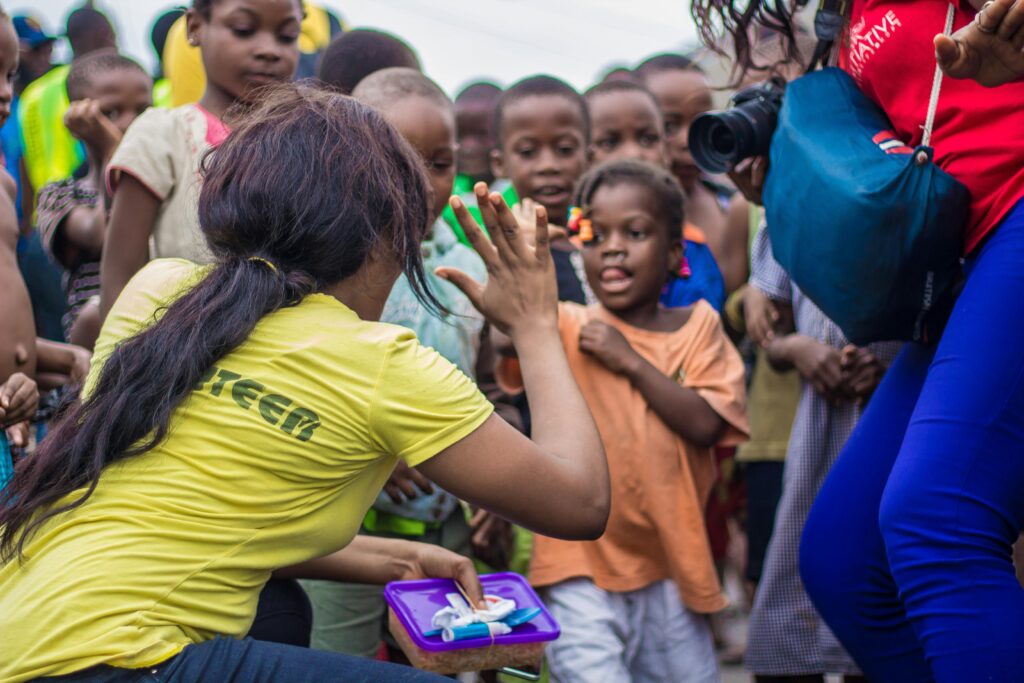
Building a school sounds great, but what happens when you leave? Sustainable community development is about empowering locals, not doing the work for them. In Peru, I worked with a women’s co-op that taught traditional weaving techniques. We weren’t there to weave for them, but to help set up a website to sell their products globally. That’s the kind of long-term impact you want to aim for.
How to Prepare for Your First Trip
Skills Assessment
Before you sign up to save the world, take a hard look at your skills. Are you a doctor? Great, medical volunteering might be for you. But if your main skill is being able to drink anyone under the table, maybe reconsider. Remember, you’re there to help, not to be a burden. I once met a guy who volunteered at a construction site in Kenya, despite never having lifted a hammer in his life. Spoiler alert: it didn’t go well.
Cultural Sensitivity Boot Camp
You know that saying, “When in Rome, do as the Romans do”? It applies double when you’re volunteering. Take time to learn about the local culture, customs, and taboos. In some places, showing the soles of your feet is offensive. In others, eating with your left hand is a no-no. And for the love of all that is holy, learn a few phrases in the local language. Your efforts will be appreciated, even if you sound like a tongue-tied toddler.
Packing for Purpose
Packing for a voluntourism trip is an art form. You need to be prepared, but not overloaded. Definitely bring any specific items the organization requests. But resist the urge to stuff your suitcase with donations. Buying supplies locally supports the economy and ensures you bring what’s actually needed. Trust me, that remote village in the Andes probably doesn’t need your old prom dress.
Beyond the Volunteer Experience: Maximizing Your Impact
1. Sustainable Travel Practices
Your impact starts the moment you book your flight. Choose eco-friendly accommodations, use public transport, and avoid single-use plastics. In Bali, I stayed at a hostel that used bamboo straws and composted food waste. It felt good knowing my margarita wasn’t contributing to ocean pollution.
2. Supporting Local Economies
Where you spend your money matters. Eat at local restaurants, buy souvenirs from artisans, and use local guides. In Thailand, I took a cooking class from a local family. Not only did I learn to make a mean Pad Thai, but I also put money directly into the community’s pocket.
3. Spreading Awareness: Becoming an Advocate
Your journey doesn’t end when you return home. Share your experiences (responsibly – no orphanage selfies, please), raise awareness about the issues you encountered, and continue supporting the causes you care about. I still buy coffee from the cooperative I volunteered with in Colombia. It’s a win-win – I get great coffee, and they get ongoing support.
The Reality Check: Managing Expectations
Here’s the truth bomb – voluntourism isn’t going to solve world hunger or end poverty. It’s a drop in the ocean, but that doesn’t mean it’s not worth doing. The key is to manage your expectations. You’re not going to change the world in two weeks, but you might change someone’s day, or even better, change your own perspective.
I remember feeling frustrated during my first voluntourism experience in Guatemala. I was teaching English, and progress seemed painfully slow. But then Maria, one of my adult students, told me how she used her new English skills to get a better job at a hotel. That’s when I realized – it’s not about grand gestures, it’s about small, meaningful impacts.
Dealing With Reverse Culture Shock
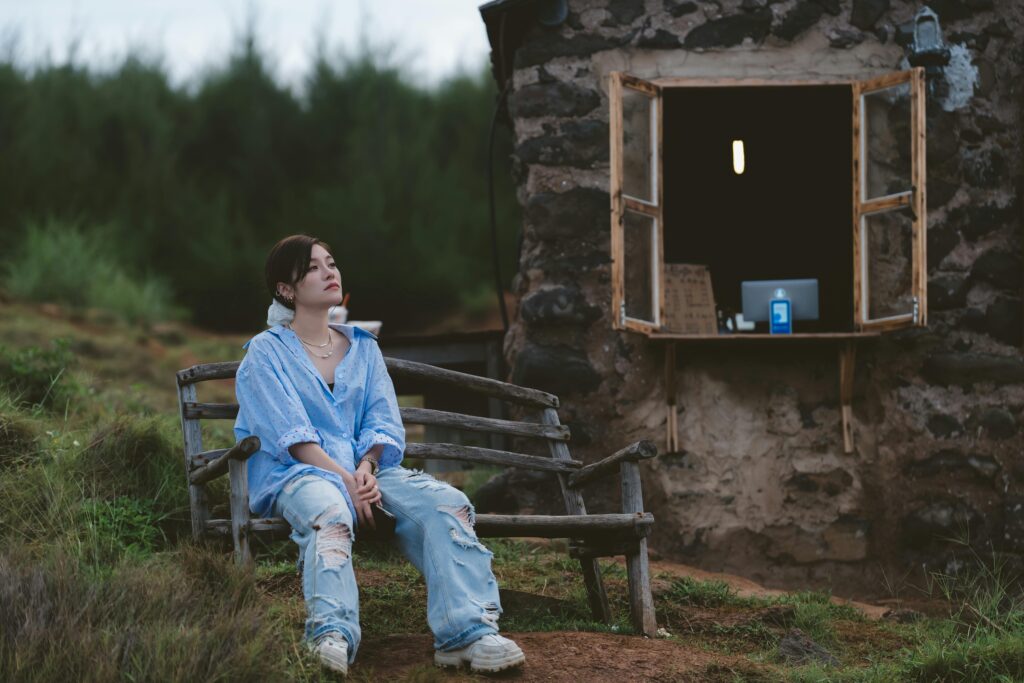
Here’s something they don’t tell you in the glossy voluntourism brochures – coming home can be harder than leaving. You’ve seen poverty up close, experienced a different way of life, and it can be jarring to return to your normal routine. Don’t be surprised if you find yourself getting irrationally angry at the sheer variety of cereals in your local supermarket.
The key is to channel that energy positively. Use your experience to educate others, make more conscious consumer choices, and stay connected with the causes you care about. And remember, it’s okay to enjoy your privileges – guilt doesn’t help anyone. The goal is to be more aware and make more informed choices.
From Tourist to Change-Maker: Your Voluntourism Journey Starts Here
Voluntourism, when done right, can be a powerful force for good – both for communities and for travelers. It’s not about saving the world in two weeks, but about fostering understanding, supporting sustainable development, and becoming a more conscious global citizen. So go ahead, take that leap. Just remember to tread lightly, listen more than you speak, and always, always question if you’re helping or hindering. Your adventure in making a difference starts now. And who knows? You might just find that in trying to change the world, the person who changes the most is you. Happy (and helpful) travels!