
Table of Contents
We all want to blend in when traveling, but sometimes even the most well-meaning travelers end up sticking out like a sore thumb. Whether it’s how you dress, what you say, or the way you behave, some things just scream “tourist!” and can make your experience less authentic (or even get you in trouble!). So, let’s save you some embarrassment and help you navigate your next trip like a seasoned local. Here are eight common mistakes to avoid if you want to travel like a pro.
1. Overpacking and Hauling Around Huge Luggage
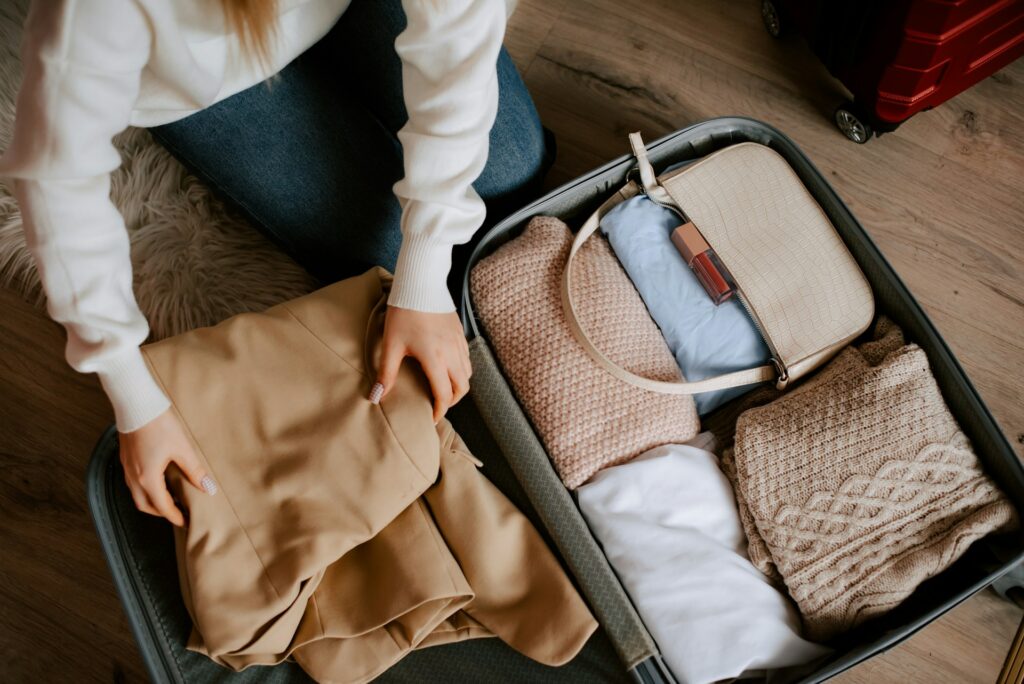
We’ve all seen them—travelers struggling with giant suitcases, trying to navigate narrow cobblestone streets or jam-packed public transport. Not only is it inconvenient, but it also screams “I’m not from here!” to everyone around you.
- Why It’s a Problem: Overpacking not only makes you a target for pickpockets (because you’re too busy juggling your bags), but it also makes you look unprepared and out of place. Plus, many destinations are best explored on foot, and lugging a heavy suitcase through crowds and up steep stairs is no fun.
- What to Do Instead: Pack light and opt for a carry-on whenever possible. Stick to versatile clothing that you can mix and match, and remember, you can always do laundry!
2. Ignoring Local Dress Codes

Showing too much skin in conservative countries or dressing too casually in formal settings can draw unwanted attention and make locals feel uncomfortable. It’s like wearing a bikini to a business meeting—it’s just not the right vibe.
- Why It’s a Problem: Not respecting local dress codes can be seen as disrespectful or even offensive, and it’s a surefire way to label yourself as an outsider. In some places, it can even get you kicked out of certain areas or denied entry to religious sites.
- What to Do Instead: Do a little research before you pack. In places like the Middle East or parts of Asia, modesty is vital—covering your shoulders, chest, and knees. For European cities, go for a smart-casual look, especially when dining out or visiting cultural sites. And always, always pack a scarf or pashmina—it’s a lifesaver for covering up in a pinch.
3. Flashing Your Cash (or Valuables)

There’s nothing that says “tourist” more than pulling out a huge wad of cash or waving your fancy camera around like it’s a magic wand. It not only makes you look out of place but also makes you an easy target for theft.
- Why It’s a Problem: Flashing your cash or valuables can attract pickpockets and scammers. Plus, it gives off a vibe that you’re not aware of your surroundings—a rookie mistake!
- What to Do Instead: Keep your money and valuables tucked away. Use a crossbody bag that zips up, and only take out what you need. If you must use your phone for navigation, do it quickly and confidently—don’t linger in one spot for too long.
4. Sticking to the Tourist Traps
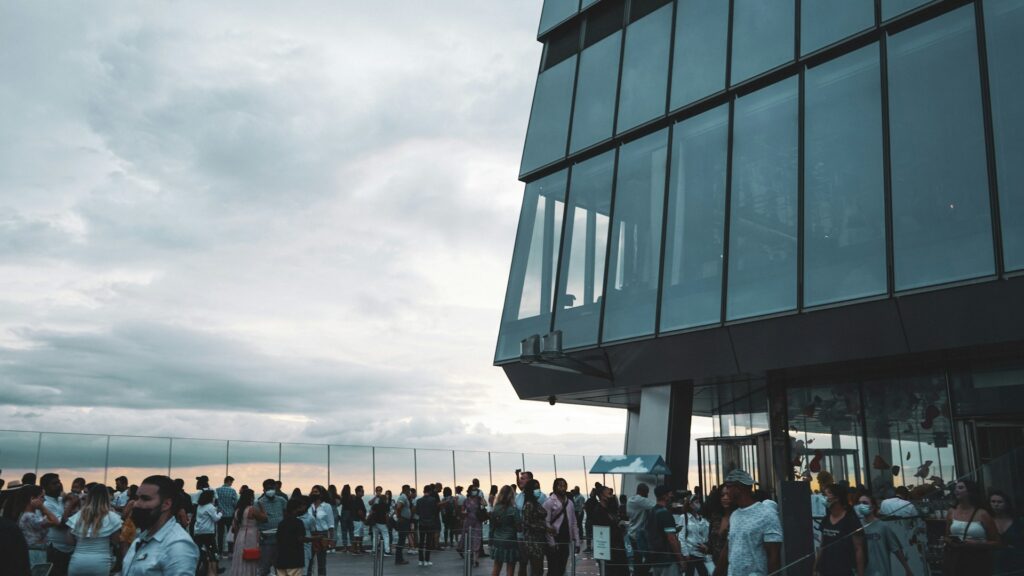
We get it—iconic landmarks and famous attractions are on your bucket list for a reason. But spending all your time at overhyped spots can limit your experience and make you look like a guidebook-dependent traveler.
- Why It’s a Problem: Tourist traps are often crowded, overpriced, and lack the authentic charm of lesser-known spots. Plus, they can make you miss out on the true essence of a place, as they’re more for visitors than locals.
- What to Do Instead: Of course, visit the must-sees, but balance them with some off-the-beaten-path experiences. Ask locals for recommendations or explore quieter neighborhoods. For instance, in Paris, after seeing the Eiffel Tower, why not stroll around the charming streets of the 11th arrondissement, where you can find cozy cafes and artisan shops?
5. Talking Too Loudly
You know the stereotype—Americans being loud in a quiet European cafe or tourists shouting across a serene temple complex. It’s not just a cliché; it’s a behavior that can seriously disrupt the local atmosphere.
- Why It’s a Problem: In many cultures, speaking loudly is considered rude or intrusive. It’s a quick way to draw unwanted attention and can make you seem inconsiderate or oblivious to local norms.
- What to Do Instead: Be mindful of your volume, especially in public places like restaurants, public transport, and sacred sites. Take a cue from those around you—if everyone else is speaking softly, it is time to lower your voice.
6. Misusing Local Language (or Not Trying at All)
Let’s face it, language barriers can be intimidating. But resorting to speaking loudly in your own language or assuming everyone speaks English is a quick way to alienate locals and mark yourself as a tourist.
- Why It’s a Problem: Not making an effort to speak the local language can come off as arrogant or lazy. It shows a lack of respect for the local culture and can lead to misunderstandings or missed connections.
- What to Do Instead: Apps like Duolingo or Google Translate are great for learning essentials on the go. And if you’re completely lost, use gestures, a smile, and a polite attitude to bridge the gap.
7. Forgetting Tipping Etiquette
Tipping might be second nature in some places, but in others, it can range from unnecessary to downright insulting. Knowing when and how much to tip can save you from awkward situations and help you respect local customs.
- Why It’s a Problem: Over-tipping can make you look naïve or showy, while under-tipping (or not tipping at all) can be seen as disrespectful in countries where it’s expected. It’s an easy mistake to make, but one that can leave a bad impression.
- What to Do Instead: Look up the tipping norms for your destination before you go. In the U.S., tipping 15-20% is standard at restaurants, while in Japan, tipping is considered rude.
8. Being Glued to Your Phone or Camera
We all want to capture our travels, but if you’re constantly snapping photos or checking your social media feed, you’re missing out on the real experience. Plus, it’s a dead giveaway that you’re not a local.
- Why It’s a Problem: Being glued to your phone makes you less aware of your surroundings, which is not only risky but also takes away from the joy of being in the moment. It can also come off as disrespectful, especially in places where photography is inappropriate.
- What to Do Instead: Engage with the environment and the people around you—after all, those are the memories you’ll cherish most. And if you’re somewhere sensitive, like a religious site, check the rules about photography and always ask permission before taking someone’s picture.
Avoiding these common mistakes won’t just make your trip smoother; it’ll also help you connect more deeply with the places and people you’re visiting. So the next time you’re planning an adventure, keep these tips in mind and travel like a pro!