
Table of Contents
If you love to travel but want to leave a lighter footprint on the planet, you’re not alone! More and more people are seeking out eco-friendly destinations that not only offer stunning landscapes and rich culture but also prioritize sustainability. From lush rainforests to pristine coastlines, these seven destinations will let you explore guilt-free while supporting conservation and local communities. Ready to pack your bags? Let’s dive into these sustainable gems!
1. Costa Rica – The Ultimate Eco-Adventure Playground

Costa Rica isn’t just a destination—it’s an adventure in eco-paradise. With 25% of its land designated as protected reserves, this small Central American country has made huge strides in conservation. Imagine zip-lining through the treetops of dense rainforest while knowing you’re supporting a country that takes sustainability seriously.
Why It’s Eco-Friendly: Costa Rica is a world leader in renewable energy, with nearly 99% of its electricity coming from renewable sources. The country also has ambitious plans to become carbon neutral by 2050. Eco-lodges and sustainable tourism initiatives abound, ensuring that your visit benefits both the environment and local communities.
What to Do: Visit the cloud forests of Monteverde, where you can walk along hanging bridges that take you through the misty treetops. You can even head to Tortuguero National Park for a chance to see nesting sea turtles.
2. Iceland – Nature’s Own Sustainability Poster Child

Iceland’s dramatic landscapes look like they’re from another planet, and its commitment to sustainability is just as extraordinary. With geysers, glaciers, and volcanoes as far as the eye can see, Iceland is an outdoor lover’s dream. And the best part? The country runs almost entirely on renewable energy, thanks to its geothermal and hydroelectric power.
Why It’s Eco-Friendly: Iceland’s natural resources fuel everything from electricity to hot water, significantly reducing its carbon footprint. The government and local organizations also focus on protecting their unique ecosystems, from the Arctic fox to fragile moss fields.
What to Do: Explore the famous Golden Circle, but venture off the beaten path to lesser-known gems like the Snæfellsnes Peninsula, often called “Iceland in Miniature.” Hike to hidden waterfalls, kayak through fjords, or relax in a geothermal hot spring with no crowds in sight.
3. Slovenia – Green Treasure of Europe
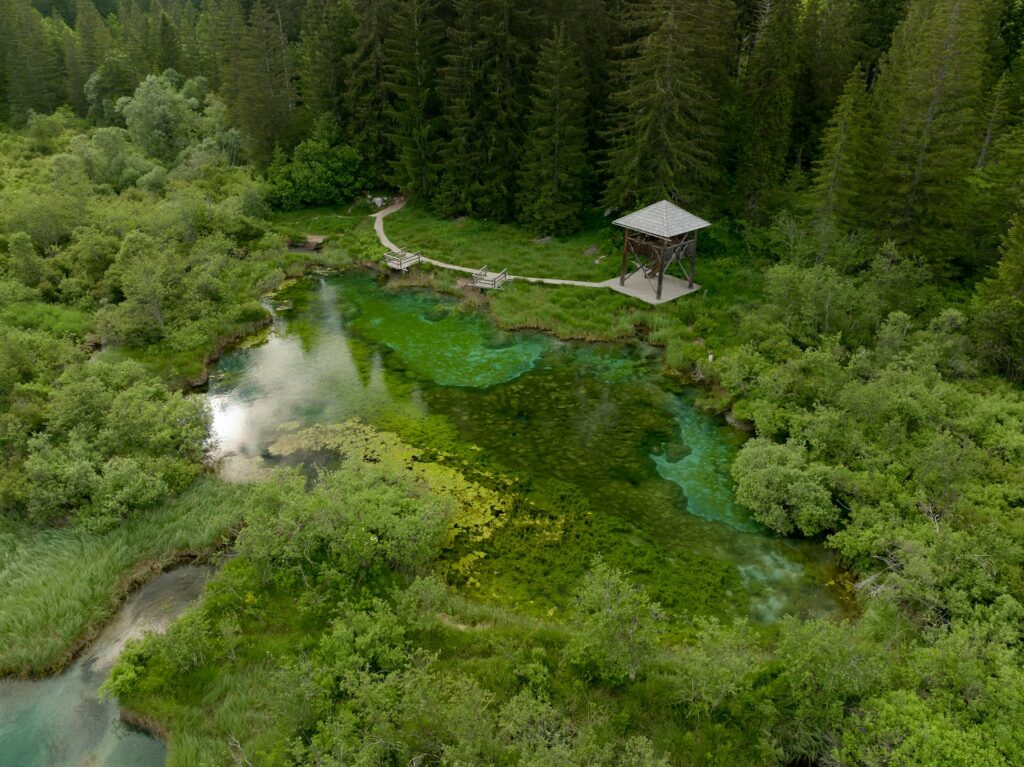
Nestled between Italy and Croatia, Slovenia is a true hidden gem for eco-conscious travelers. This small but mighty country has been making waves with its commitment to green tourism. From its fairytale-like capital, Ljubljana, to the breathtaking beauty of Lake Bled, Slovenia is a haven for those who love nature and sustainability in equal measure.
Why It’s Eco-Friendly: Ljubljana was named the European Green Capital in 2016 for its efforts in waste management, sustainable mobility, and green spaces. Slovenia also boasts an impressive number of protected areas and promotes responsible tourism through initiatives like the Green Scheme of Slovenian Tourism.
What to Do: Wander through Ljubljana’s car-free city center, where you can sip on a local craft beer while enjoying the view of Ljubljana Castle. Then head to Lake Bled—don’t just snap a picture from the shore, though! Rent a bike and ride around the lake, or hike up to the Ojstrica viewpoint for an unforgettable panorama.
4. Bhutan – The Kingdom of Happiness and Sustainability

Bhutan takes a different approach to tourism—it’s about quality, not quantity. This Himalayan kingdom measures success by Gross National Happiness rather than GDP, and that philosophy extends to its tourism policies. The country practices high-value, low-impact tourism, meaning fewer visitors but richer experiences.
Why It’s Eco-Friendly: Bhutan is the only carbon-negative country in the world, absorbing more carbon dioxide than it produces. The government ensures that tourism doesn’t harm the environment or cultural heritage by imposing a daily fee on visitors, which funds sustainable development and conservation projects.
What to Do: Trek to the iconic Tiger’s Nest Monastery, perched precariously on the edge of a cliff. Visit the vibrant markets of Thimphu, where you can buy locally made handicrafts.
5. New Zealand – Adventure Meets Eco-Consciousness
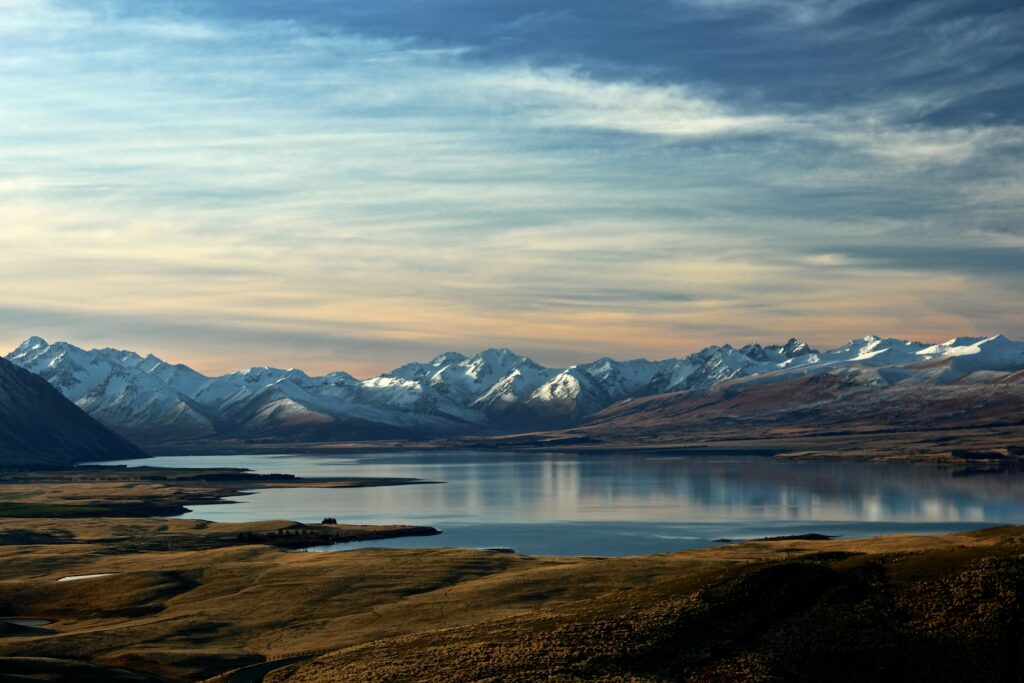
New Zealand is the land of epic adventures and breathtaking beauty, and it’s also a leader in sustainable tourism. Whether you’re hiking through the rugged landscapes of Fiordland, exploring the geothermal wonders of Rotorua, or basking in the beauty of the Bay of Islands, New Zealand is committed to preserving its natural treasures for generations to come.
Why It’s Eco-Friendly: The country has numerous conservation initiatives, including predator-free zones and marine reserves. The Tiaki Promise, a national campaign, encourages visitors to care for the land and respect local customs.
What to Do: Take a guided tour of a native wildlife sanctuary, where you might spot the elusive kiwi bird. Go whale watching in Kaikoura, a town renowned for its eco-friendly practices, or hike the Tongariro Alpine Crossing, one of the world’s best day hikes.
6. Namibia – Conservation and Adventure in Africa
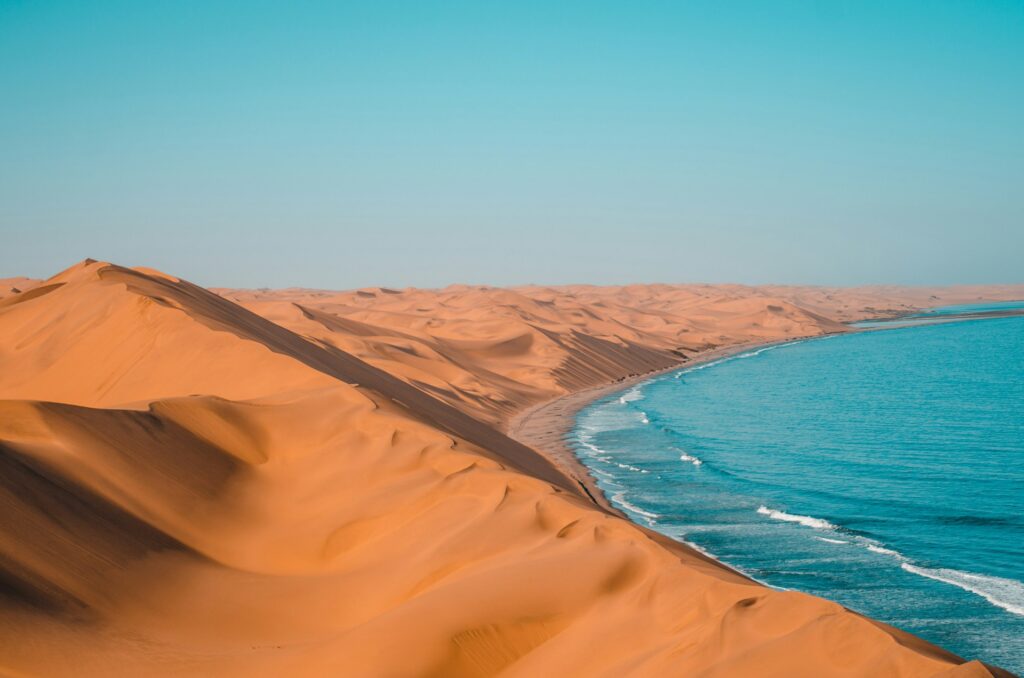
Namibia might not be the first place that comes to mind for eco-tourism, but this southern African country is doing amazing things for conservation. From the otherworldly landscapes of the Namib Desert to the wildlife-rich Etosha National Park, Namibia offers an adventure that’s both thrilling and sustainable.
Why It’s Eco-Friendly: Namibia was the first country in Africa to include environmental protection in its constitution. Over 40% of its land is under some form of conservation management, and community-based tourism is a major focus, providing locals with a stake in protecting their environment.
What to Do: Visit the surreal sand dunes of Sossusvlei at sunrise—it’s like standing on Mars! Go on a safari in Etosha, where you can spot elephants, lions, and rhinos in their natural habitat. For a more unique experience, spend time with the Himba people and learn about their traditional way of life.
7. Palau – A Marine Paradise Protecting the Ocean

This tiny island nation in the Pacific is punching well above its weight when it comes to marine conservation. Palau’s waters are teeming with life, from vibrant coral reefs to majestic manta rays and sharks. The country is a paradise for divers, snorkelers, and anyone who loves the ocean, and it’s also a pioneer in sustainable tourism.
Why It’s Eco-Friendly: Palau has designated 80% of its waters as a marine sanctuary, the largest of its kind in the world. The Palau Pledge, which all visitors must sign, is a commitment to respect the environment and culture during their stay.
What to Do: Dive or snorkel in the famous Blue Corner, one of the world’s top dive sites, where you can see schools of fish, sharks, and turtles. Explore the Rock Islands, a UNESCO World Heritage site with over 400 mushroom-shaped islands and hidden lagoons.
Whether you’re trekking through the jungles of Costa Rica, diving in the pristine waters of Palau, or soaking in the geothermal wonders of Iceland, these destinations show that you can see the world and protect it too. Traveling sustainably doesn’t mean sacrificing adventure or comfort—in fact, it often leads to more authentic and enriching experiences.

Related posts:
 Hopheads Unite: The Ultimate Guide to Craft Beer Tourism Around the World
 Solo Female Travelers Reveal: The Safest (And Most Empowering) Destinations for Women
 Sip Your Way Around the Globe: 8 Under-the-Radar Wine Regions to Discover
 No Visa No Problem: 15 Amazing Countries You Can Visit Without the Paperwork Hassle